
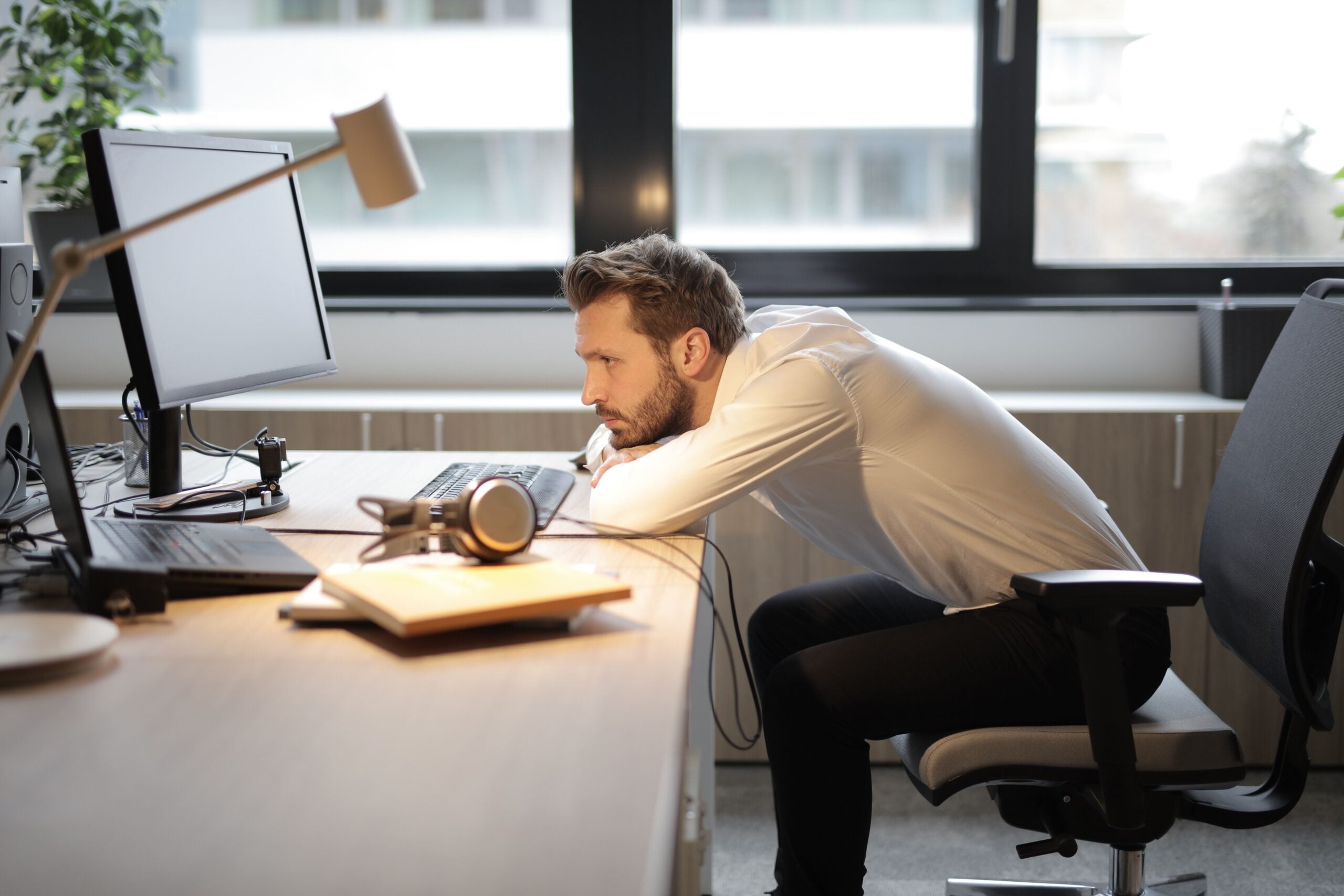
Sitting for long periods can cause pain because it places continuous stress on the spine, tightens muscles, weakens the core and glutes, and reduces blood circulation. Over time, poor sitting habits can lead to back pain, neck pain, hip discomfort, stiffness, and reduced mobility, making everyday activities more difficult and uncomfortable.
Introduction
Many people spend most of their day sitting without realizing how much it affects their body. Whether you work at a desk, drive for hours, study, or relax in front of the television, prolonged sitting has become part of modern life. While sitting may seem harmless, remaining in the same position for extended periods can place significant strain on your muscles, joints, and spine.
Pain caused by excessive sitting often develops gradually. It may begin as mild stiffness in the lower back or neck before progressing into persistent discomfort that interferes with work, exercise, and daily activities. Understanding why sitting too much causes pain is the first step toward preventing long-term problems and improving overall spinal health.
What Does It Mean to Sit Too Much?
Sitting too much refers to spending extended periods in a seated position without enough movement throughout the day. While there is no exact number of hours that affects everyone equally, many adults spend between eight and twelve hours sitting during work, commuting, meals, and leisure time.
The human body is designed for movement. Muscles, joints, and connective tissues function best when they regularly change positions. Remaining seated for long periods limits natural movement, decreases muscle activity, and increases pressure on several parts of the body, particularly the lower back, neck, shoulders, and hips.
Even people who exercise regularly can experience problems if they spend the rest of their day sitting without frequent movement breaks.
How Sitting Affects the Spine
The spine is built to support movement while maintaining stability. When sitting for long periods, especially with poor posture, the natural curves of the spine begin to change.
The lower back often loses its natural inward curve, increasing pressure on the spinal discs. These discs act as cushions between the vertebrae. Constant compression reduces their ability to absorb shock and may contribute to discomfort over time.
At the same time, the upper back tends to round forward while the shoulders roll inward. This position forces the neck to extend forward as people look at computer screens or mobile devices. The result is increased tension throughout the neck, shoulders, and upper back.
These small changes may seem insignificant during the day, but repeated daily for months or years, they can contribute to chronic pain and reduced spinal mobility.
Why Sitting Too Much Causes Pain
Pain develops because the body is not designed to remain still for long periods. Muscles begin to fatigue while others become inactive, creating muscular imbalances throughout the body.
The hip flexor muscles remain shortened while sitting. Over time, these muscles become tight, limiting hip movement and increasing stress on the lower back.
Meanwhile, the glute muscles become less active because they are not being used properly. Weak glutes reduce pelvic stability, forcing the lower back muscles to work harder during walking, standing, and lifting.
Core muscles also become less engaged during prolonged sitting. Without strong core support, the spine loses one of its primary stabilizing systems, increasing the likelihood of discomfort and injury.
Poor circulation further contributes to pain. Remaining still reduces blood flow to muscles and soft tissues, making them feel stiff, tired, and less flexible.
Common Types of Pain Caused by Prolonged Sitting
Lower back pain is one of the most common complaints among people with sedentary lifestyles. Constant pressure on the lumbar spine and weakened supporting muscles often lead to soreness, stiffness, and occasional sharp pain.
Neck pain frequently develops because many people lean toward their computer screens or phones. This forward head position increases stress on the neck muscles, causing tension headaches and shoulder discomfort.
Hip pain may occur because tight hip flexors limit normal movement while placing extra strain on surrounding muscles and joints.
Shoulder pain often results from rounded shoulders and prolonged keyboard use. The muscles between the shoulder blades become overstretched while chest muscles gradually tighten.
Leg discomfort can also appear after sitting too long. Reduced circulation may cause numbness, tingling, swelling, or aching sensations, particularly around the thighs and calves.
The Connection Between Poor Posture and Sitting Pain
Sitting alone is not always the problem. The way you sit often determines how much stress your body experiences.
Poor posture increases uneven pressure throughout the spine. Slouching places excessive force on spinal discs, while leaning forward strains the neck and shoulders. Crossing the legs for long periods may also affect pelvic alignment and contribute to muscle imbalance.
Good posture helps distribute body weight more evenly across the spine and reduces unnecessary stress on muscles and joints. Even so, maintaining perfect posture all day is unrealistic. Regular movement remains the most effective strategy because no sitting position is healthy when maintained continuously for hours.
Why Office Workers Are More Likely to Experience Pain
Office environments encourage prolonged sitting through computer work, meetings, phone calls, and administrative tasks. Many workers become so focused on deadlines that they forget to move for several hours.
Improper workstation setup often makes the problem worse. Screens positioned too low encourage neck flexion. Chairs without proper lumbar support increase pressure on the lower back. Desks that are too high or too low create unnecessary shoulder tension.
Stress can also increase muscle tightness. People working under pressure often unconsciously raise their shoulders, clench their jaw, or remain in one position for extended periods, adding even more strain to already tired muscles.
How Sitting Too Much Affects Overall Health
The effects of prolonged sitting extend beyond muscle and joint pain.
Reduced physical activity can contribute to decreased cardiovascular fitness, slower metabolism, weight gain, and reduced flexibility. Long periods of inactivity may also affect blood sugar regulation and circulation.
From a musculoskeletal perspective, limited movement gradually reduces joint lubrication, making everyday movements feel stiffer. Muscles lose endurance and strength, making even simple activities feel more physically demanding.
Maintaining regular movement throughout the day supports not only spinal health but also overall physical well-being.
Signs That Sitting Is Causing Your Pain
Pain caused by prolonged sitting often follows recognizable patterns. Many people notice discomfort after several hours at a desk that improves once they stand, stretch, or walk.
Morning stiffness that eases with movement may also indicate muscular tightness from prolonged inactivity.
Some people experience aching hips after long meetings or lower back soreness during long car rides. Others notice neck tension that becomes worse toward the end of the workday.
If these symptoms repeatedly improve with movement and worsen after extended sitting, prolonged inactivity may be a major contributing factor.
How Movement Helps Prevent Sitting-Related Pain
Movement restores many of the body’s natural functions that sitting temporarily reduces.
Walking increases circulation, delivering oxygen and nutrients to muscles while removing metabolic waste products. Gentle stretching helps lengthen tight muscles that shorten during sitting.
Changing positions throughout the day also reduces continuous pressure on spinal discs and joints. Small movements encourage the core muscles to activate naturally, supporting better spinal stability.
Even standing for a few minutes every half hour can reduce accumulated stress on the body.
Practical Ways to Reduce Pain From Sitting
Preventing sitting-related pain does not necessarily require expensive equipment or dramatic lifestyle changes. Consistent daily habits often produce the greatest improvements.
Adjusting your chair so your feet rest comfortably on the floor helps maintain better pelvic alignment. Positioning your computer screen at eye level reduces neck strain while keeping your keyboard close prevents unnecessary shoulder tension.
Standing briefly during phone calls, walking between meetings, and taking short movement breaks throughout the day help interrupt long periods of inactivity.
Regular strengthening exercises for the core, glutes, and back muscles provide additional support for the spine while improving posture and reducing future discomfort.
Common Mistakes That Make Sitting Pain Worse
Many people try to sit perfectly still all day, believing this protects their back. In reality, remaining motionless often increases stiffness and muscular fatigue.
Another common mistake is waiting until pain becomes severe before taking a break. Frequent movement prevents problems more effectively than trying to relieve pain after it has already developed.
Ignoring workstation ergonomics also contributes to ongoing discomfort. Even small adjustments to chair height, monitor position, and keyboard placement can significantly reduce strain over time.
Some individuals rely only on pain medication without addressing the underlying habits causing the discomfort. While medication may temporarily reduce symptoms, healthy movement and posture remain essential for long-term improvement.
Common Myths and the Real Facts
Many people believe sitting is simply resting for the body. While sitting reduces energy expenditure, it does not necessarily allow muscles and joints to recover. Certain muscles remain under continuous tension even while seated.
Another common myth is that buying an expensive office chair will completely solve sitting-related pain. A supportive chair can certainly help, but even the best chair cannot replace regular movement throughout the day.
Some people think exercising once after work completely offsets hours of uninterrupted sitting. Daily exercise provides enormous health benefits, but prolonged sitting still places repeated stress on the body if movement is absent during the rest of the day.
There is also a misconception that only older adults develop pain from sitting too much. In reality, younger adults, students, and remote workers frequently experience neck pain, back pain, and muscle stiffness due to prolonged screen time.
Summary
Sitting too much creates continuous stress on the spine, muscles, joints, and surrounding soft tissues. Tight hip flexors, weak core muscles, inactive glutes, reduced circulation, and poor posture all contribute to pain that may gradually become chronic. Fortunately, these problems are often preventable through regular movement, proper workstation setup, healthy posture, and consistent strengthening exercises. Small daily changes can significantly improve comfort, mobility, and overall spinal health.
Key Takeaways
Prolonged sitting affects far more than the lower back. It influences posture, circulation, muscle balance, joint mobility, and overall physical function. Pain often develops slowly because the body gradually adapts to inactivity before symptoms become noticeable.
The most effective approach is not simply sitting with perfect posture but combining good ergonomics with regular movement throughout the day. Frequent position changes, walking breaks, stretching, and strengthening exercises work together to reduce stress on the body and support long-term spinal health.
Developing healthy daily habits early can prevent discomfort from becoming a chronic condition. Consistency matters more than making dramatic changes all at once.
Frequently Asked Questions
Can sitting too much permanently damage your back?
Prolonged sitting alone does not always cause permanent damage, but it can contribute to ongoing muscle weakness, poor posture, disc stress, and chronic pain if healthy movement habits are ignored. Addressing the problem early greatly reduces the risk of long-term complications.
How often should I stand up during the day?
Many health professionals recommend standing or moving every thirty to sixty minutes. Even a brief walk or gentle stretch helps restore circulation and reduce spinal pressure.
Is standing all day better than sitting?
Standing continuously is not the perfect solution either. The healthiest approach is alternating between sitting, standing, and walking throughout the day to keep the body moving naturally.
Can exercise reverse pain caused by sitting?
In many cases, regular exercise combined with improved posture and better daily movement habits can significantly reduce sitting-related pain. Strengthening the core, back, and glute muscles often improves spinal support while increasing flexibility.
Why does my lower back hurt after sitting for a long time?
Extended sitting places continuous pressure on the lumbar spine while allowing supporting muscles to weaken or tighten. Poor posture and limited movement increase stress on spinal discs and surrounding muscles, leading to soreness and stiffness.
Does sitting affect neck and shoulder pain?
Yes. Looking down at screens or leaning forward while working places extra strain on the neck and shoulder muscles. Over time, this posture can contribute to muscle tension, headaches, and reduced mobility.
Conclusion
Understanding why sitting too much can cause pain makes it easier to protect your long-term health. Your body is designed to move, and even small changes throughout the day can make a meaningful difference. Improving posture, creating an ergonomic workspace, strengthening key muscles, and taking regular movement breaks help reduce discomfort before it becomes a chronic problem. If your pain continues despite these changes or begins affecting your daily life, seeking professional evaluation can help identify the underlying cause and guide you toward the most appropriate treatment. Investing in healthy movement today is one of the simplest ways to keep your spine stronger, your muscles healthier, and your body feeling its best for years to come.