
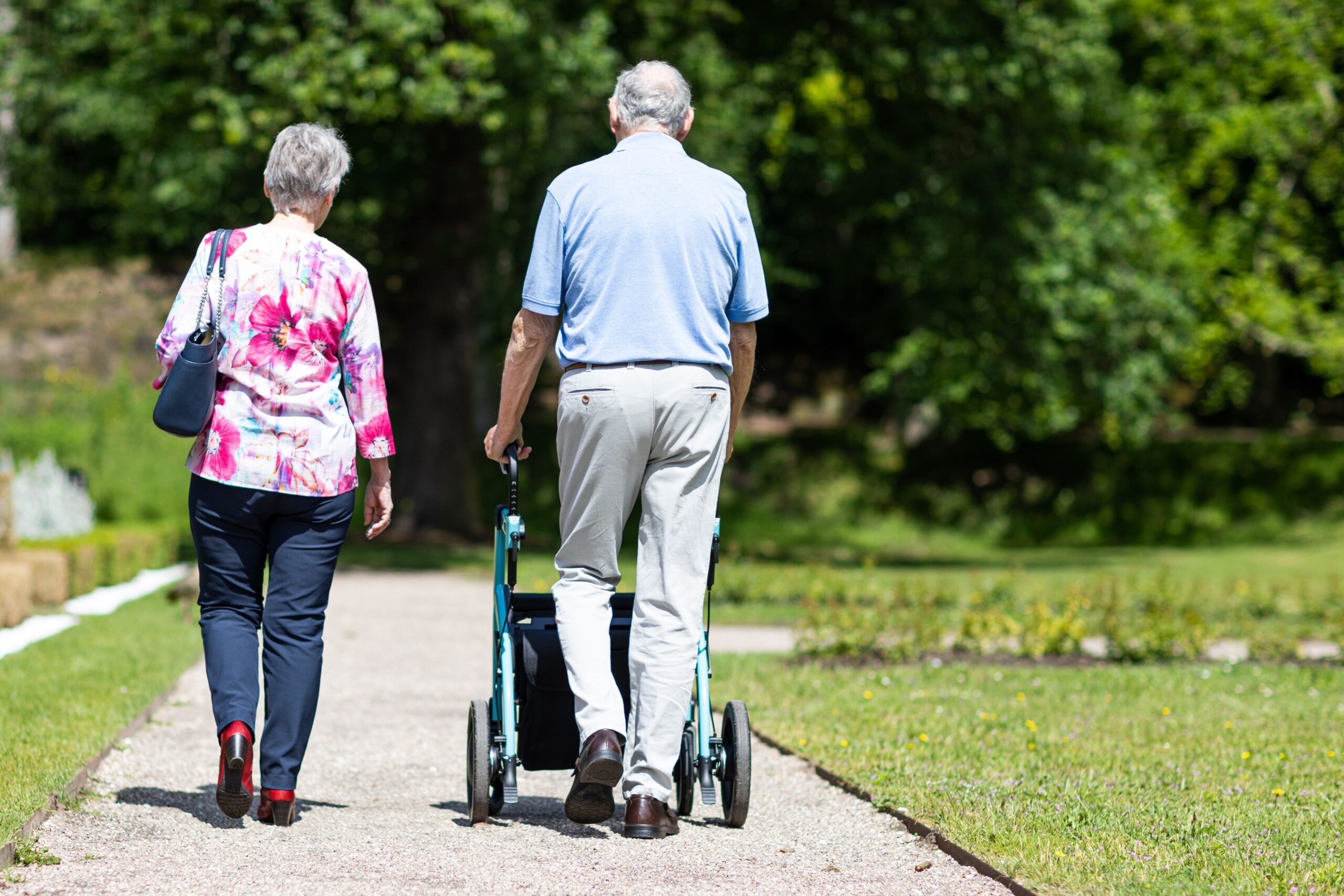
Mobility is important as you age because it helps you move safely, maintain independence, reduce the risk of falls, support joint and muscle health, and improve overall well-being. Good mobility makes everyday tasks easier, promotes better balance and flexibility, and allows older adults to stay active and enjoy a healthier, more fulfilling lifestyle.
What Is Mobility?
Mobility is the ability to move your body freely, comfortably, and safely. It involves much more than simply walking. Mobility includes your joints’ range of motion, muscle strength, flexibility, balance, coordination, and posture. When all of these systems work together, everyday activities become easier and more comfortable.
Simple movements such as getting out of bed, climbing stairs, reaching for objects, bending down, or carrying groceries all depend on good mobility. As people age, these everyday actions can become more challenging if mobility declines.
Many people confuse mobility with flexibility. While flexibility is an important part of mobility, true mobility also depends on strength, stability, balance, and healthy joints. Improving mobility means improving how your entire body moves.
Why Mobility Changes as You Age
The aging process naturally affects the body in several ways. Muscle mass gradually decreases, joints may become stiffer, cartilage wears down over time, and balance often becomes less stable. Physical activity may also decrease with age, which can accelerate these changes.
Without regular movement, muscles weaken, connective tissues tighten, and joints lose their natural range of motion. This creates a cycle where movement becomes uncomfortable, leading to even less activity.
Health conditions such as arthritis, osteoporosis, diabetes, or previous injuries can also contribute to reduced mobility. However, many mobility problems are not simply caused by age itself. They are often the result of inactivity, poor movement habits, and untreated physical limitations.
Why Mobility Is Important as You Age
Maintaining mobility affects nearly every aspect of healthy aging. It supports both physical and mental health while helping older adults continue living independently.
Mobility Supports Independence
One of the greatest benefits of maintaining mobility is preserving independence. Being able to move confidently allows people to dress themselves, cook meals, clean the house, drive, shop, and participate in social activities without relying heavily on others.
When mobility declines, even simple daily tasks may become difficult. Maintaining healthy movement allows older adults to continue living life on their own terms for as long as possible.
Better Mobility Reduces the Risk of Falls
Falls are one of the leading causes of injury among older adults. Poor balance, weak muscles, stiff joints, and limited mobility all increase the likelihood of falling.
Improving mobility strengthens the muscles that stabilize the body while enhancing balance and coordination. Better movement control helps people react more effectively to uneven surfaces, unexpected obstacles, or sudden changes in direction.
Reducing fall risk means lowering the chances of fractures, hospital stays, and long recovery periods that can significantly affect quality of life.
Healthy Mobility Protects Your Joints
Movement helps lubricate joints by stimulating the production of synovial fluid, which acts as a natural lubricant. Regular movement also strengthens the muscles surrounding the joints, reducing unnecessary stress on cartilage and connective tissues.
When joints remain active, stiffness often decreases, pain becomes more manageable, and movement feels smoother.
People who stay physically active frequently experience less joint discomfort than those who remain sedentary.
Mobility Helps Maintain Muscle Strength
Muscles naturally weaken with age through a process called sarcopenia. Losing muscle strength makes everyday movements more difficult and increases the risk of falls.
Regular movement helps preserve muscle mass and keeps the body functioning efficiently. Walking, stretching, resistance exercises, and balance training all contribute to stronger muscles that support healthy movement.
Maintaining strength also improves endurance, making daily activities less tiring.
Better Mobility Supports Heart Health
Mobility encourages regular physical activity, which benefits cardiovascular health. Activities like walking, swimming, cycling, or gentle exercise improve circulation, lower blood pressure, and help maintain healthy cholesterol levels.
Staying active also supports healthy body weight and reduces the risk of chronic diseases commonly associated with aging.
Mobility Benefits Mental Health
Physical movement is closely connected to emotional well-being.
Regular movement stimulates the release of natural chemicals that improve mood while reducing stress and anxiety. Staying mobile also encourages social interaction, outdoor activities, and hobbies that contribute to emotional health.
Older adults who remain active often report greater confidence, improved self-esteem, and higher overall life satisfaction.
How Mobility Affects Everyday Life
Good mobility influences nearly every daily activity.
Walking comfortably through the grocery store, climbing stairs, gardening, playing with grandchildren, traveling, or simply enjoying a walk around the neighborhood all depend on healthy movement.
When mobility declines, these activities may become physically exhausting or even impossible.
Improving mobility helps preserve freedom, allowing people to continue participating in the experiences that bring purpose and enjoyment.
Common Signs of Reduced Mobility
Mobility often declines gradually rather than suddenly.
Many people first notice stiffness after sitting for long periods. Others experience difficulty standing from a chair, slower walking speed, reduced balance, or discomfort when reaching overhead.
Feeling unstable while walking, avoiding stairs, needing support when standing, or limiting physical activity because of pain may also indicate declining mobility.
Recognizing these early signs allows individuals to take action before larger problems develop.
How to Improve Mobility as You Age
The good news is that mobility can often improve with consistent effort, regardless of age.
Gentle stretching helps maintain joint flexibility while reducing muscle tightness. Strength training supports muscles that stabilize the body during movement. Balance exercises improve coordination and reduce fall risk. Walking regularly helps preserve endurance, cardiovascular fitness, and lower-body strength.
Consistency matters more than intensity.
Even moderate daily movement can produce significant improvements over time.
Good posture also plays an important role. Standing and sitting with proper alignment reduces unnecessary strain on joints and muscles while supporting efficient movement.
Adequate hydration, nutritious food, quality sleep, and maintaining a healthy body weight all contribute to better mobility as well.
The Connection Between Mobility and Pain
Many people believe pain means they should avoid movement.
In reality, appropriate movement often helps reduce many common causes of stiffness and discomfort. Gentle exercise improves blood flow, strengthens supporting muscles, and helps maintain healthy joint function.
Remaining inactive for long periods can actually increase stiffness, weaken muscles, and make pain worse over time.
Of course, severe pain or sudden injuries should always be evaluated by a qualified healthcare professional before beginning new exercises.
Common Mistakes That Reduce Mobility
One of the biggest mistakes is believing that stiffness is simply a normal part of aging that cannot be changed. While aging does affect the body, many mobility limitations respond well to regular exercise and healthy movement habits.
Another common mistake is spending too much time sitting. Extended periods of inactivity cause muscles to weaken and joints to stiffen. Breaking up long sitting sessions with short walks or stretches helps maintain movement throughout the day.
Ignoring balance training is another frequent oversight. Many people focus only on walking but neglect exercises that improve stability. Balance is a critical component of mobility and plays a major role in preventing falls.
Some individuals also exercise too aggressively after long periods of inactivity. Gradual progression is much safer and more sustainable than doing too much too quickly.
Common Myths About Mobility and Aging
Many myths prevent older adults from staying active.
One common myth is that aging automatically means losing mobility. While some physical changes occur naturally, many people remain highly mobile well into their later years by staying active and maintaining healthy habits.
Another misconception is that exercise damages aging joints. In reality, appropriate exercise usually strengthens muscles, supports joint health, and improves movement when performed correctly.
Some people believe walking alone is enough for healthy mobility. Walking is excellent, but mobility also requires strength, flexibility, balance, and coordination. A combination of activities provides the greatest benefits.
Another myth suggests it is too late to improve mobility after age sixty or seventy. Research and clinical experience consistently show that meaningful improvements can occur at almost any age with regular practice.
When to Seek Professional Help
Sometimes mobility problems require professional evaluation.
Persistent joint pain, repeated falls, significant balance problems, sudden weakness, numbness, or difficulty walking should never be ignored.
Early assessment can identify underlying conditions and provide appropriate treatment before mobility declines further.
Professional guidance can also help create safe exercise programs tailored to individual needs and physical limitations.
Summary
Mobility is one of the strongest foundations of healthy aging. It influences independence, safety, physical health, emotional well-being, and overall quality of life. While aging naturally changes the body, many mobility limitations are not permanent or unavoidable. Regular movement, strength training, flexibility exercises, and healthy daily habits help preserve function and support long-term health. Taking action early often produces better outcomes than waiting until movement becomes significantly restricted.
Key Takeaways
Maintaining mobility allows you to remain active, independent, and confident as you age. Healthy movement supports stronger muscles, more flexible joints, better balance, and improved cardiovascular health while reducing the risk of falls and injuries.
Mobility is about much more than walking. It combines flexibility, strength, balance, stability, posture, and coordination into a complete system that allows your body to move efficiently throughout everyday life.
Small, consistent habits often create the biggest improvements. Daily movement, regular stretching, strength exercises, and balance training work together to protect long-term mobility and enhance overall well-being.
Frequently Asked Questions
Can mobility improve after age 60?
Yes. Many people improve their mobility well after age 60 through regular exercise, stretching, strength training, and balance exercises. The body continues to adapt throughout life, making consistent movement beneficial at nearly every age.
How often should older adults work on mobility?
Mobility exercises can be performed daily. Gentle stretching and movement are generally safe for most people, while strength and balance training are commonly recommended several times each week depending on individual health and fitness levels.
Is walking enough to maintain mobility?
Walking is an excellent form of exercise, but it works best when combined with flexibility, strength, and balance exercises. A well-rounded movement routine provides greater protection against mobility loss.
What causes mobility to decline with age?
Reduced physical activity, muscle loss, joint stiffness, chronic medical conditions, previous injuries, and poor balance all contribute to declining mobility. Staying active helps slow many of these changes.
Can improving mobility reduce joint pain?
In many cases, yes. Appropriate movement strengthens supporting muscles, improves joint lubrication, enhances circulation, and reduces stiffness, all of which may help decrease discomfort and improve daily function.
Why is balance important for mobility?
Balance allows the body to remain stable while walking, changing direction, climbing stairs, or standing on uneven surfaces. Good balance reduces fall risk and helps people move with greater confidence.
Conclusion
Mobility is one of the greatest investments you can make in your long-term health and independence. It affects how you move, how you feel, and how confidently you navigate everyday life. While aging brings natural physical changes, staying active can help preserve strength, flexibility, balance, and freedom for years to come. Even small improvements made today can lead to meaningful benefits tomorrow. Prioritizing mobility now gives you the best opportunity to enjoy an active, healthy, and fulfilling future.