
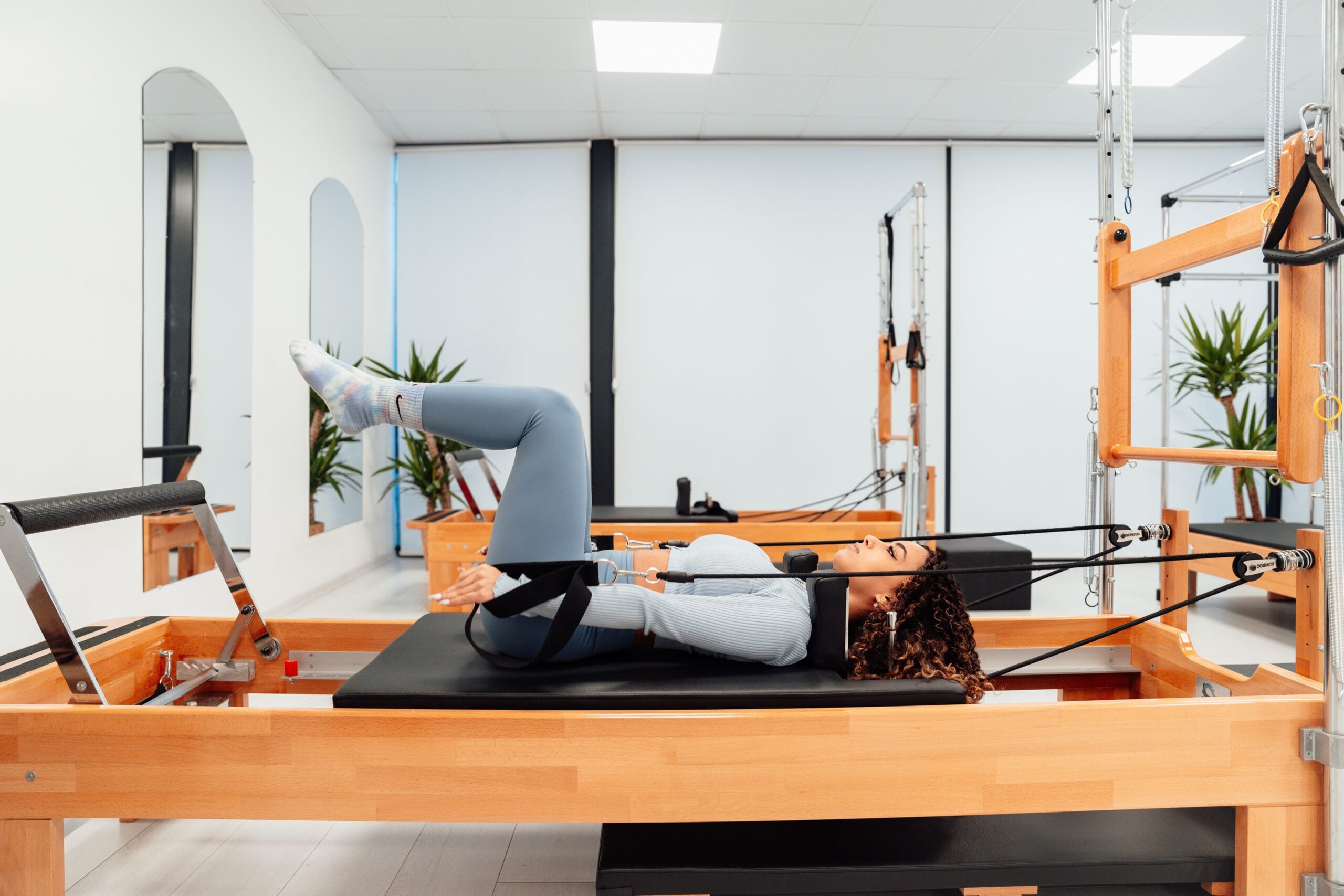
Strength training supports spine health by improving the muscles that stabilize the back, reducing unnecessary stress on the spine, enhancing posture, and lowering the risk of injury. When performed with proper technique and appropriate progression, resistance training can help relieve discomfort, improve mobility, and maintain a healthy spine throughout every stage of life.
Introduction
Your spine works continuously every day. It supports your body while standing, keeps you balanced while walking, and protects the spinal cord that carries messages between your brain and the rest of your body. Every movement, from bending down to lifting groceries, depends on a healthy spine.
Many people believe that strength training is only for building muscle or improving appearance. In reality, one of its greatest benefits is how it supports long-term spine health. A stronger body creates better support for the spine, reducing strain on the bones, joints, discs, and surrounding soft tissues.
Whether you experience occasional back discomfort, want to prevent future injuries, or simply hope to maintain an active lifestyle as you age, understanding the connection between strength training and spine health can help you make smarter choices. When exercises are performed correctly and consistently, they strengthen the body’s natural support system and improve overall function without placing unnecessary stress on the spine.
Understanding Spine Health
The spine is made up of vertebrae, intervertebral discs, joints, ligaments, muscles, and nerves that all work together to support movement and stability. Every part has a specific purpose, and when one structure becomes weak or injured, the entire system can be affected.
Healthy spinal discs act as cushions that absorb shock during movement. Ligaments help keep the spine stable, while muscles surrounding the spine provide dynamic support that adjusts with every movement you make. Good spine health depends on keeping all of these structures working together efficiently.
As people become less active, muscles often weaken while flexibility decreases. This imbalance places more pressure on the spine itself rather than allowing the surrounding muscles to absorb the workload. Over time, this can contribute to stiffness, poor posture, and an increased risk of injury.
Maintaining spinal health is not only about avoiding pain. It is about preserving mobility, independence, and quality of life for years to come.
What Is Strength Training?
Strength training is a form of exercise that improves muscle strength, endurance, and stability by working against resistance. This resistance may come from free weights, resistance bands, weight machines, kettlebells, body weight, or other forms of controlled resistance.
Unlike high-impact activities that primarily challenge the cardiovascular system, strength training focuses on gradually increasing the muscles’ ability to produce force. As muscles become stronger, they provide better support for joints and the spine during everyday activities.
Proper strength training is not about lifting the heaviest possible weight. Instead, it involves controlled movement, proper posture, gradual progression, and consistency. These principles make resistance training suitable for many people, including beginners and older adults when performed safely.
How Strength Training Supports Spine Health
The relationship between strength training and spine health is based on improving the body’s ability to stabilize and protect the spine during movement. Strong muscles help distribute physical forces more evenly, reducing unnecessary pressure on spinal structures.
The muscles surrounding the core play an especially important role. The abdominal muscles, lower back muscles, pelvic muscles, diaphragm, and gluteal muscles all contribute to spinal stability. When these muscles work together effectively, the spine experiences less strain during daily activities.
Strength training also improves coordination between different muscle groups. Instead of relying on one area of the body to compensate for weakness elsewhere, the body learns to move more efficiently. This balanced movement pattern decreases excessive stress on the lower back and helps reduce fatigue during physical activity.
Improved muscle endurance also allows individuals to maintain better posture throughout the day. Rather than collapsing into slouched positions while sitting or standing, stronger muscles support proper spinal alignment for longer periods.
The Importance of Core Strength for a Healthy Spine
Core strength is often misunderstood as having visible abdominal muscles. In reality, the core includes a deep network of muscles that stabilize the spine before every movement.
When these muscles are strong, they create a natural support system that protects the spine from excessive movement and unwanted stress. Everyday activities such as lifting children, carrying groceries, climbing stairs, or getting out of bed become easier because the spine remains supported throughout each motion.
Weak core muscles force the spine to absorb more of the workload. This increased stress can contribute to muscle fatigue, poor posture, and recurring episodes of back discomfort.
Strength training that targets the entire core rather than only the abdominal muscles creates better spinal stability and more balanced movement patterns.
Strength Training Improves Posture
Poor posture is one of the most common contributors to spinal discomfort. Hours spent sitting, looking down at phones, or working on computers often cause the shoulders to round forward while the neck and lower back compensate.
Strength training helps correct these muscular imbalances by strengthening weak muscles while improving overall body awareness. As the muscles of the upper back, shoulders, hips, and core become stronger, maintaining an upright posture requires less effort.
Better posture does more than improve appearance. Proper alignment allows the spine to distribute loads more efficiently, reducing unnecessary stress on joints, discs, and surrounding muscles.
Over time, improved posture can reduce stiffness, decrease muscle tension, and support healthier movement throughout daily life.
Can Strength Training Help Reduce Back Pain?
Many people avoid exercise because they fear it will worsen back pain. In many cases, the opposite is true. Carefully planned strength training can be an effective part of managing many forms of nonspecific back discomfort.
When muscles become stronger, they provide greater support to the spine during movement. Improved stability reduces unnecessary strain on sensitive structures while allowing people to move with greater confidence.
Exercise also improves blood flow to muscles and surrounding tissues, supporting recovery and reducing stiffness that often develops after prolonged inactivity.
It is important to understand that not all back pain has the same cause. Individuals with severe pain, recent injuries, fractures, infections, or nerve-related symptoms should receive an appropriate medical evaluation before beginning a new exercise program.
Strength Training Helps Protect the Intervertebral Discs
Intervertebral discs absorb shock every time you walk, run, bend, or lift. Although strength training does not directly strengthen the discs themselves, it helps reduce excessive loading placed upon them.
Strong muscles share the workload during movement, allowing forces to be distributed throughout the body instead of concentrating on the spine alone.
Controlled resistance exercises also encourage better movement mechanics. Learning how to lift with proper hip movement instead of excessive spinal bending helps reduce repeated stress on spinal discs over time.
The Role of Strength Training in Preventing Injuries
Injury prevention depends on preparing the body to handle everyday physical demands.
Strength training develops stronger muscles, tendons, and connective tissues that work together to stabilize joints and protect the spine during unexpected movements. Better balance, improved coordination, and increased body awareness also reduce the likelihood of awkward movements that may lead to injury.
People who regularly perform strength exercises often find that daily tasks such as lifting boxes, gardening, carrying luggage, or playing with children become easier because their bodies are better prepared for physical demands.
Best Types of Strength Training for Spine Health
Exercises that promote controlled movement and balanced muscle development generally provide the greatest benefit for spinal health.
Functional exercises that strengthen the hips, glutes, legs, and core help improve whole-body stability. Movements that encourage proper posture while strengthening the upper back also support healthy spinal alignment.
Bodyweight exercises provide an excellent starting point for beginners because they allow individuals to master proper movement before adding external resistance.
Resistance bands offer gentle, adjustable resistance that improves muscle activation without excessive joint stress.
Free weights and machines can both be effective when used with proper technique and appropriate supervision if needed. The most beneficial program is one that focuses on quality movement rather than lifting the greatest amount of weight.
Common Mistakes That Can Harm Spine Health During Strength Training
One of the biggest mistakes is using improper lifting technique. Rounded backs, sudden twisting motions, and uncontrolled movements can place unnecessary stress on spinal structures.
Another common mistake is progressing too quickly. Increasing weight before mastering proper form often leads to muscle compensation and reduced stability.
Ignoring the importance of recovery is equally problematic. Muscles need adequate time to repair and adapt after challenging workouts. Without proper recovery, fatigue increases the likelihood of poor movement patterns.
Many people also neglect mobility exercises. Strong muscles that lack flexibility may restrict movement and create imbalances that eventually affect spinal alignment.
Finally, focusing only on visible muscles while ignoring the deeper stabilizing muscles limits the overall benefits of strength training for spine health.
Common Myths About Strength Training and Spine Health
One common myth is that lifting weights always damages the back. In reality, properly performed strength training strengthens the muscles that support the spine and often lowers the risk of injury.
Another misconception is that people with mild back discomfort should avoid all resistance exercise. While certain medical conditions require specialized care, many individuals benefit from carefully supervised strengthening exercises that improve stability and movement quality.
Some believe older adults should avoid strength training because their bones are fragile. In fact, appropriately designed resistance training helps maintain muscle mass, improve balance, and support bone health, all of which contribute to healthier aging.
Another myth suggests that only athletes need strong core muscles. Every person depends on core stability during everyday movements, making spinal strengthening valuable regardless of age or fitness level.
How to Start Strength Training Safely
Beginning slowly is one of the most important principles for protecting the spine. Learning correct movement patterns before increasing resistance creates a solid foundation for long-term progress.
Proper breathing helps maintain stability during exercise while reducing unnecessary pressure on the spine. Controlled movements are generally safer than rushing through repetitions.
Warm-up activities prepare muscles and joints for exercise by increasing circulation and improving mobility. After training, gentle stretching may help reduce stiffness and maintain flexibility.
Consistency is more valuable than intensity. Regular training performed several times each week typically produces better long-term results than occasional high-intensity workouts.
People with existing spinal conditions, previous surgeries, or persistent pain should consult an appropriate healthcare professional before beginning a strength training program.
Summary
Strength training and spine health are closely connected because stronger muscles provide better support for the spine during everyday activities. Improved core stability, better posture, balanced movement, and increased muscular endurance all help reduce unnecessary stress placed on the spinal structures. When combined with proper technique, gradual progression, and adequate recovery, strength training becomes an effective strategy for protecting the spine, improving function, and supporting long-term mobility.
Key Takeaways
Strength training is much more than a fitness activity. It is an investment in spinal health that improves stability, posture, movement efficiency, and overall physical function. Strong muscles work together to protect the spine, making everyday activities easier and reducing unnecessary strain on joints and discs.
Safe, consistent exercise performed with proper technique offers greater long-term benefits than occasional intense workouts. Focusing on balanced muscle development, especially throughout the core and hips, creates a stronger foundation that supports the spine throughout daily life and healthy aging.
Frequently Asked Questions
Is strength training good for spine health?
Yes. Proper strength training strengthens the muscles that support the spine, improves posture, enhances stability, and reduces unnecessary stress on spinal structures. These benefits can help lower the risk of injury while supporting better movement and overall function.
Can strength training help with chronic back pain?
Many people with nonspecific chronic back pain benefit from supervised strength training because stronger muscles provide better spinal support. However, anyone with severe pain, nerve symptoms, or underlying medical conditions should receive professional evaluation before starting an exercise program.
How often should I perform strength training for spine health?
Many adults benefit from performing strength training two to three times each week while allowing adequate recovery between sessions. Consistency and proper technique are generally more important than training every day.
Are bodyweight exercises enough to improve spine health?
Bodyweight exercises can be highly effective, especially for beginners. They improve core stability, posture, balance, and movement control while helping establish proper exercise technique before progressing to additional resistance.
Can older adults safely perform strength training?
Yes. With appropriate exercise selection and gradual progression, strength training is beneficial for many older adults. It helps preserve muscle strength, improve balance, support bone health, and maintain independence during daily activities.
What muscles are most important for supporting the spine?
The muscles of the core, including the deep abdominal muscles, lower back muscles, gluteal muscles, pelvic muscles, and diaphragm, work together to stabilize the spine. The muscles of the hips, legs, shoulders, and upper back also contribute to healthy movement and spinal support.
Conclusion
The connection between strength training and spine health is supported by both practical experience and a growing understanding of how the body functions. A strong, balanced muscular system provides the stability your spine needs to move safely and efficiently throughout daily life. Rather than placing harmful stress on the back, properly performed strength training helps distribute forces more evenly, improve posture, reduce injury risk, and support long-term mobility.
Whether your goal is preventing future back problems, improving daily comfort, or maintaining an active lifestyle as you age, incorporating safe and consistent strength training into your routine is one of the most valuable investments you can make. Start with proper technique, progress gradually, and make spinal health a lasting priority for a stronger and healthier future.