
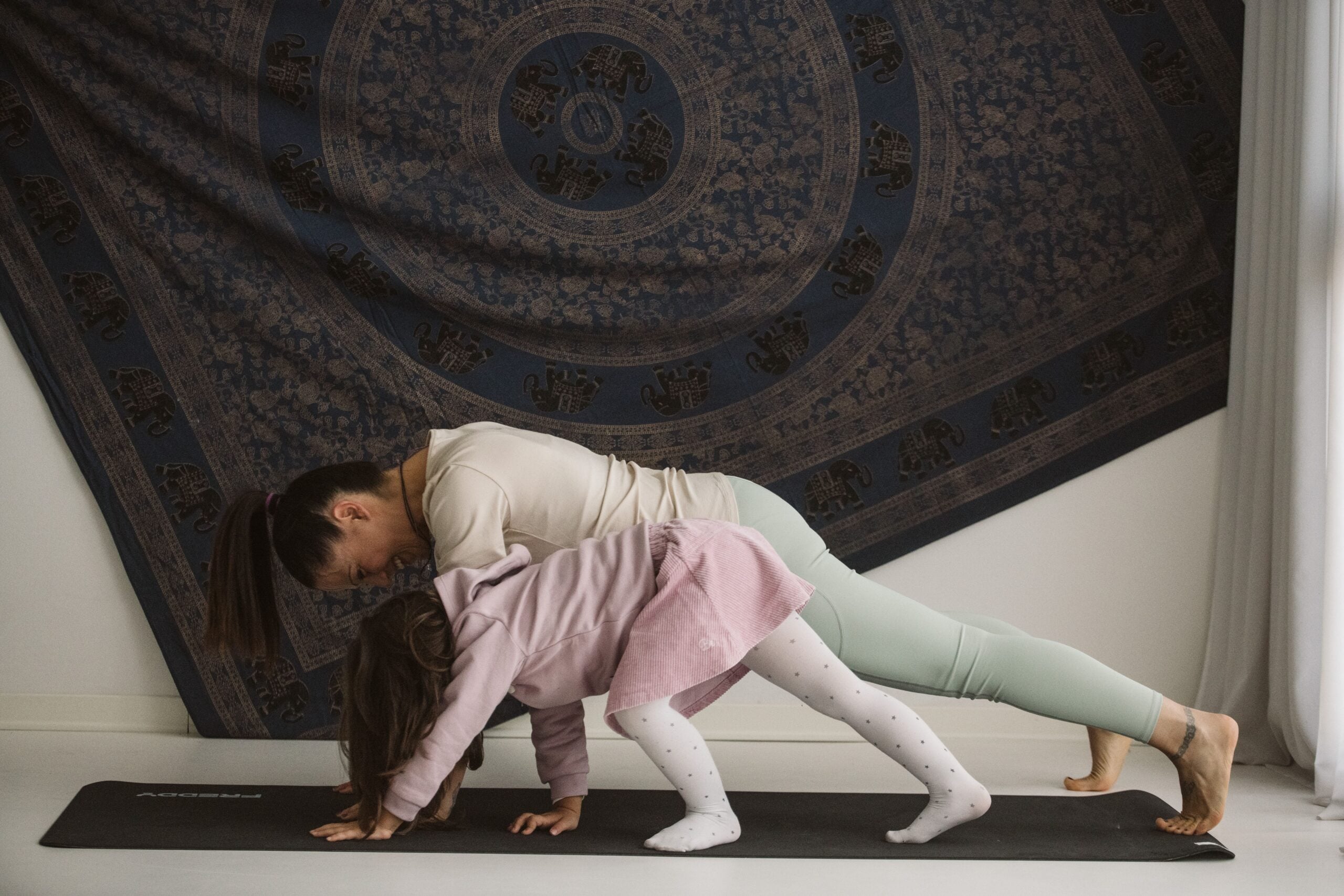
Staying strong, flexible, and pain-free is one of the best ways to protect your body, improve daily movement, and support long-term health. A balanced routine that combines strength training, mobility exercises, stretching, good posture, proper recovery, and healthy lifestyle habits helps reduce injuries, improve flexibility, and keep muscles and joints working efficiently throughout every stage of life.
Why Staying Strong, Flexible, and Pain-Free Matters
Many people believe aches, stiffness, and limited movement are simply part of getting older. While aging naturally changes the body, losing strength, flexibility, and comfortable movement is often influenced more by daily habits than age itself.
Modern lifestyles involve long hours of sitting, repetitive movements, poor posture, and limited physical activity. Over time, these habits weaken muscles, tighten joints, reduce mobility, and increase stress on the spine and surrounding tissues. Eventually, simple tasks like bending down, carrying groceries, climbing stairs, or playing with children become more difficult.
Building strength while maintaining flexibility creates a body that moves efficiently and comfortably. Strong muscles support the joints, while flexible muscles and healthy connective tissues allow movement without unnecessary strain. Together, they improve balance, stability, endurance, and overall quality of life.
What It Means to Be Strong, Flexible, and Pain-Free
Being strong is not only about lifting heavy weights or having large muscles. Functional strength means your muscles work together efficiently to support everyday movements. It allows you to lift objects safely, maintain good posture, and protect your joints from excessive stress.
Flexibility refers to the ability of muscles and connective tissues to lengthen without restriction. Healthy flexibility allows your joints to move through their natural range of motion comfortably.
Being pain-free does not necessarily mean experiencing zero discomfort every day. Instead, it means your body functions normally without persistent pain limiting your activities. Minor muscle soreness after exercise is normal, but ongoing joint pain, stiffness, or movement limitations should not be ignored.
When these three qualities work together, everyday movement becomes easier, safer, and more enjoyable.
How Strength and Flexibility Work Together
Many people mistakenly separate strength training and flexibility training. In reality, they complement one another.
Strong muscles stabilize joints during movement. Flexible muscles allow those joints to move freely without excessive tension. If muscles become strong but tight, movement becomes restricted. If muscles become flexible without adequate strength, joints may become unstable.
The healthiest body develops both qualities simultaneously.
For example, strong hips support the lower back, while flexible hip muscles reduce unnecessary pulling on the pelvis. Strong core muscles stabilize the spine, while flexible hamstrings and hip flexors improve posture and movement efficiency.
This balanced approach creates smoother, more controlled movement while lowering the risk of injury.
The Foundation of Functional Strength
Functional strength focuses on movements that mirror everyday life instead of isolating individual muscles.
Exercises that involve squatting, pushing, pulling, carrying, bending, and rotating teach the body to work as a coordinated system. These movement patterns improve muscle coordination, balance, posture, and joint stability.
Consistent strength training also supports healthy bones by encouraging greater bone density. This becomes increasingly important with age as the risk of fractures naturally increases.
Building strength gradually using proper technique is far more valuable than lifting excessive weight too quickly.
Why Mobility Is Just as Important as Flexibility
Flexibility and mobility are closely connected but not identical.
Flexibility refers to the length of muscles.
Mobility refers to how well a joint moves through its full range of motion while remaining stable and controlled.
A person may have flexible muscles yet still experience poor shoulder mobility because surrounding muscles are weak or movement patterns have become restricted.
Mobility training combines stretching, controlled movement, and muscular control to restore natural joint function. Healthy mobility improves athletic performance, everyday movement, posture, and injury prevention.
Common Causes of Pain and Stiffness
Pain often develops gradually rather than appearing suddenly.
Long periods of sitting shorten hip flexors and weaken the glute muscles. Poor posture places additional stress on the neck, shoulders, and spine. Weak core muscles reduce spinal support, forcing other muscles to compensate.
Repetitive motions performed at work or during sports can overload certain muscles while neglecting others. Insufficient recovery between workouts may also contribute to chronic soreness and inflammation.
Stress plays an important role as well. Emotional stress frequently causes muscle tension, particularly around the neck, shoulders, and jaw.
Understanding these contributing factors allows people to address the underlying causes rather than simply managing symptoms.
Daily Habits That Help You Stay Strong, Flexible, and Pain-Free
Daily consistency matters more than occasional intense workouts.
Regular movement throughout the day helps prevent stiffness caused by prolonged sitting. Standing, walking, stretching, or changing positions every hour keeps muscles active and improves circulation.
Strength training several times each week builds muscular endurance and joint support. Gentle stretching after exercise helps restore muscle length while reducing tightness.
Walking remains one of the simplest ways to improve circulation, maintain joint health, and support overall fitness.
Quality sleep allows muscles to repair while hormones responsible for tissue recovery work most effectively. Poor sleep often increases pain sensitivity and slows recovery.
Hydration also contributes to healthy muscles, connective tissues, and joint function. Drinking enough water supports normal movement throughout the body.
Nutrition Supports Healthy Movement
Nutrition plays a significant role in maintaining strength and flexibility.
Protein provides the building blocks needed to repair muscle tissue after physical activity. Healthy carbohydrates supply energy for movement, while healthy fats support hormone production and help regulate inflammation.
Vitamins and minerals contribute to muscle contraction, nerve function, bone health, and connective tissue repair.
Eating a balanced diet rich in whole foods supports long-term physical performance far better than relying on highly processed meals.
The Importance of Good Posture
Posture affects nearly every movement your body performs.
Good posture allows muscles to share workloads evenly instead of forcing certain areas to compensate. When posture deteriorates, muscles become overworked, joints experience uneven pressure, and pain gradually develops.
Maintaining a neutral spine while sitting, standing, and lifting objects reduces unnecessary strain.
Improving posture is rarely about forcing yourself to sit perfectly still. Instead, it involves strengthening postural muscles while developing better movement habits throughout the day.
Recovery Is Where Progress Happens
Exercise creates positive stress on the body, but recovery allows adaptation.
Muscles repair microscopic damage after strength training, becoming stronger during the recovery process. Without adequate rest, progress slows while injury risk increases.
Recovery includes quality sleep, proper nutrition, hydration, stress management, and active movement on rest days.
Gentle walking, stretching, and mobility exercises often promote faster recovery than remaining completely inactive.
Common Mistakes That Prevent Long-Term Success
One of the biggest mistakes people make is exercising inconsistently. Intense workouts followed by weeks of inactivity rarely produce lasting improvements.
Another common mistake involves skipping warm-ups. Cold muscles and stiff joints are less prepared for physical activity, increasing the likelihood of strains.
Some people focus exclusively on strength while ignoring flexibility. Others spend excessive time stretching without developing the muscular strength needed to support healthy movement.
Poor exercise technique may also place unnecessary stress on joints instead of strengthening them safely.
Many individuals ignore pain, believing discomfort always indicates progress. While temporary muscle fatigue is normal, sharp or persistent pain deserves attention rather than being pushed through.
Common Myths About Staying Strong and Flexible
Many people believe strength training reduces flexibility. In reality, properly performed strength exercises often improve flexibility by strengthening muscles through their full range of motion.
Another widespread myth suggests stretching alone prevents injuries. Although flexibility is beneficial, injury prevention depends on multiple factors including strength, balance, coordination, proper technique, recovery, and gradual progression.
Some believe pain is an unavoidable part of aging. While certain age-related changes occur naturally, regular exercise, healthy nutrition, and consistent movement help many adults remain active and comfortable well into later life.
There is also a misconception that only athletes need mobility training. Every person benefits from moving efficiently, whether working at a desk, caring for family, or enjoying recreational activities.
How to Build a Sustainable Routine
Long-term success comes from realistic habits instead of extreme programs.
Choosing enjoyable activities makes consistency easier. Strength training, walking, stretching, swimming, cycling, yoga, and recreational sports all contribute to healthier movement when performed regularly.
Progress should happen gradually. Small improvements repeated consistently often produce better long-term results than aggressive short-term efforts.
Listening to your body while maintaining discipline creates a healthy balance between effort and recovery.
The goal is not perfection but continuous improvement that fits naturally into everyday life.
Short Summary
Staying strong, flexible, and pain-free requires more than occasional exercise. It involves developing healthy movement habits, building functional strength, improving mobility, maintaining flexibility, eating nutritious foods, sleeping well, and allowing adequate recovery. Together, these habits improve posture, reduce injury risk, increase independence, and support lifelong physical health.
Key Takeaways
Strong muscles provide stability, while flexible muscles allow smooth and comfortable movement. Developing both qualities creates a balanced body that performs everyday activities more efficiently.
Daily movement is just as important as structured exercise. Walking, changing positions frequently, and maintaining good posture reduce stiffness and encourage healthy joint function.
Recovery is essential for lasting progress. Sleep, nutrition, hydration, and stress management help muscles repair while reducing the likelihood of chronic pain.
Consistency remains the most important factor. Sustainable habits practiced over months and years deliver better results than occasional periods of intense effort.
Frequently Asked Questions
Can I improve flexibility at any age?
Yes. While flexibility naturally changes over time, regular stretching, mobility exercises, and strength training can improve range of motion at almost any age. Progress may occur more gradually in older adults, but meaningful improvements remain possible with consistent practice.
How often should I strength train?
Most healthy adults benefit from strength training several times each week while allowing adequate recovery between sessions for the same muscle groups. The ideal schedule depends on individual fitness levels, goals, and recovery capacity.
Does stretching reduce muscle soreness?
Stretching may temporarily improve comfort and reduce feelings of tightness, although it is not guaranteed to eliminate muscle soreness. Combining stretching with proper recovery, hydration, nutrition, and gradual training progression often provides the greatest overall benefit.
Why do I feel stiff after sitting for long periods?
Extended sitting decreases circulation, shortens certain muscles, and reduces joint movement. Standing up regularly, walking briefly, and performing gentle mobility exercises throughout the day help reduce stiffness and restore normal movement.
Can strength training help prevent back pain?
In many cases, strengthening the core, hips, and surrounding muscles improves spinal support and movement mechanics, which may reduce the risk of certain types of back discomfort. Proper exercise technique and gradual progression remain essential.
Is walking enough to stay healthy?
Walking provides excellent cardiovascular benefits, supports joint health, and encourages daily movement. However, combining walking with strength training and flexibility exercises creates a more complete fitness program that supports long-term mobility and overall physical function.
Conclusion
Learning how to stay strong, flexible, and pain-free is an investment in your future health and independence. Every healthy choice you make today, whether strengthening your muscles, improving mobility, maintaining good posture, or allowing your body time to recover, helps create better movement tomorrow. You do not need an extreme fitness routine to experience meaningful results. Consistent daily habits, balanced exercise, and thoughtful self-care build a body that is more resilient, capable, and prepared for the demands of everyday life. Start with small improvements, remain consistent, and enjoy the long-term benefits of moving with greater strength, confidence, and comfort.