
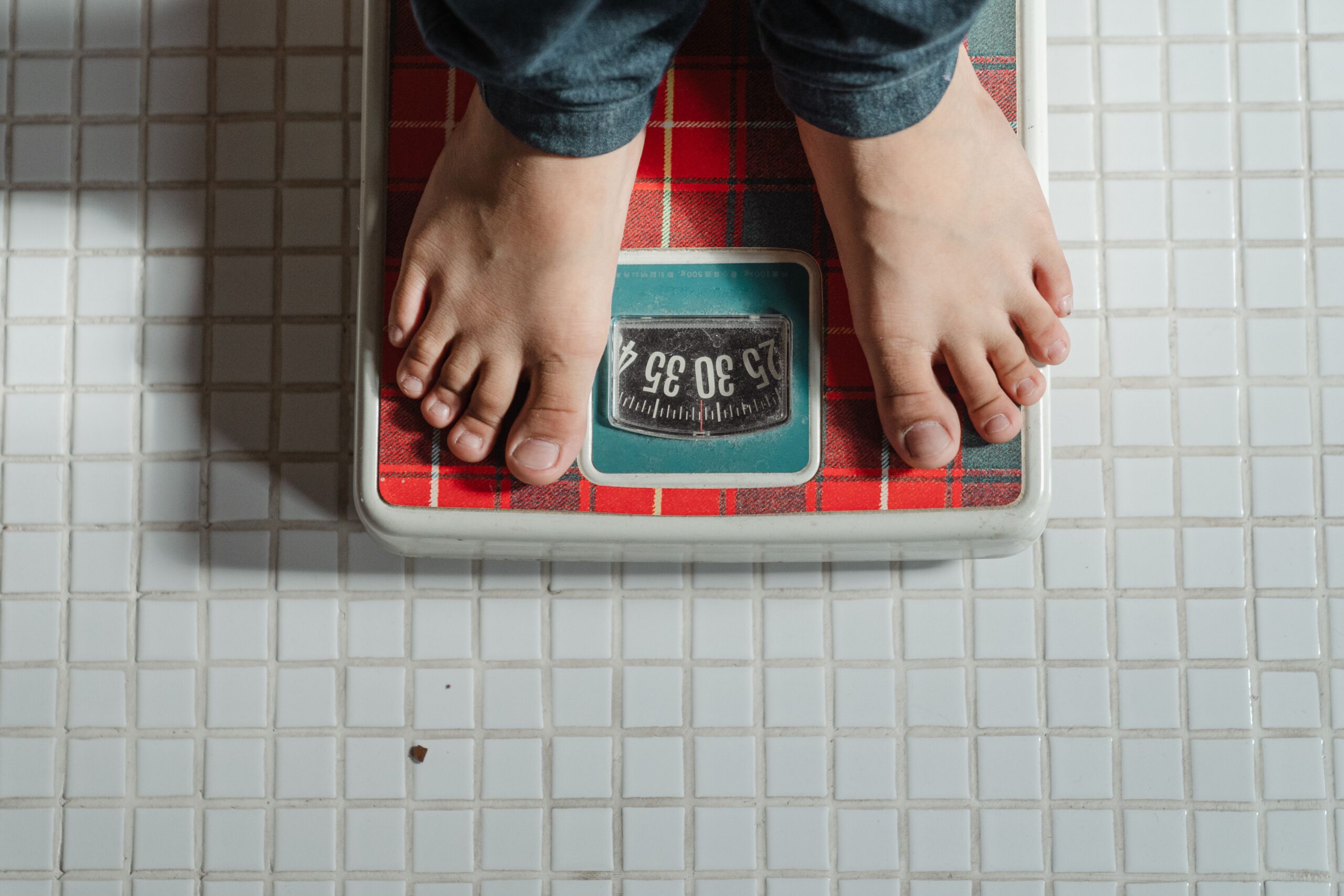
Taking control of your health without medication does not mean avoiding medical care when it is needed. It means building healthy daily habits that support your body’s natural ability to stay well. Simple changes in nutrition, physical activity, sleep, stress management, hydration, and preventive care can improve your overall health, reduce the risk of chronic disease, and help you feel your best.
Why More People Want to Improve Their Health Naturally
Many people today want to feel healthier, have more energy, and reduce their risk of illness without depending entirely on medication. While medicines play an important role in treating many health conditions, they are often only one part of a complete health plan. Long-term wellness usually begins with the choices you make every day.
Your body responds to how you eat, move, sleep, manage stress, and care for yourself. Small improvements in these areas can create powerful results over time. Rather than looking for a quick fix, focusing on healthy habits helps build a stronger foundation for lifelong wellness.
Learning how to take control of your health without medication gives you the opportunity to become more active in your own well-being. It encourages prevention instead of simply reacting when problems appear.
What Does It Mean to Take Control of Your Health Without Medication?
Taking control of your health means making informed lifestyle choices that improve physical, mental, and emotional well-being. It does not mean refusing medical treatment or ignoring professional advice. Instead, it focuses on preventing disease, supporting natural healing, and improving quality of life through healthy daily habits.
The body has remarkable systems that constantly repair tissues, regulate hormones, fight infections, and maintain balance. These natural processes work more effectively when they receive the right support through proper nutrition, regular exercise, quality sleep, stress reduction, and healthy relationships.
For many people, these lifestyle improvements can help lower the risk of conditions such as high blood pressure, obesity, type 2 diabetes, heart disease, digestive issues, and chronic inflammation.
Why Lifestyle Habits Have Such a Powerful Impact
Every choice you make sends signals throughout your body. The foods you eat affect your metabolism and immune system. Physical activity strengthens your muscles, heart, lungs, and brain. Sleep allows your body to repair itself. Managing stress protects both physical and mental health.
Unlike temporary solutions, healthy habits continue working every day. Over weeks, months, and years, these small actions combine to create meaningful improvements.
This is why healthcare professionals often recommend lifestyle changes before or alongside medication for many common health concerns.
Nourish Your Body with Whole, Balanced Foods
Food provides much more than calories. It supplies the vitamins, minerals, protein, healthy fats, fiber, and antioxidants your body needs to function properly.
Choosing mostly whole foods helps stabilize blood sugar, reduce inflammation, support digestion, and improve energy levels. Fresh vegetables, fruits, lean proteins, whole grains, legumes, nuts, and seeds all contribute to better overall health.
Highly processed foods often contain excessive sugar, sodium, unhealthy fats, and artificial ingredients. Eating these foods too often may increase the risk of chronic diseases over time.
Healthy eating does not require perfection. Consistency matters much more than following a strict diet. Making better food choices most of the time allows your body to perform at its best while still leaving room for flexibility.
Stay Active Every Day
Regular movement is one of the most effective natural ways to improve health without medication.
Exercise strengthens the cardiovascular system, builds muscle, improves bone density, supports healthy weight management, and boosts mood. It also improves insulin sensitivity, helping the body regulate blood sugar more effectively.
Physical activity does not have to involve intense workouts. Walking, cycling, swimming, dancing, gardening, stretching, and recreational sports all contribute to better health.
Moving throughout the day is equally important. Sitting for long periods may negatively affect circulation and metabolism, even for people who exercise regularly.
Finding activities you genuinely enjoy makes it much easier to stay consistent for years instead of weeks.
Prioritize Quality Sleep
Sleep is one of the body’s most important recovery processes.
During sleep, your brain processes information, your immune system strengthens, hormones regulate, muscles recover, and cells repair themselves. Poor sleep affects nearly every part of your health.
People who regularly sleep too little often experience increased stress, reduced concentration, weakened immunity, higher blood pressure, and greater difficulty maintaining a healthy weight.
Creating a consistent bedtime routine, reducing screen time before bed, limiting caffeine late in the day, and maintaining a comfortable sleeping environment can significantly improve sleep quality.
Good sleep is not a luxury. It is a basic requirement for long-term health.
Manage Stress Before It Manages You
Stress is a natural part of life, but chronic stress places continuous pressure on the body.
Long-term stress can increase inflammation, raise blood pressure, weaken the immune system, disrupt digestion, affect hormone balance, and contribute to anxiety or depression.
Learning healthy ways to manage stress supports both mental and physical health.
Deep breathing, meditation, mindfulness, spending time outdoors, journaling, hobbies, prayer, and meaningful conversations all help reduce stress naturally.
Even a few minutes of relaxation each day can improve emotional balance and help your body recover from daily challenges.
Stay Properly Hydrated
Water supports nearly every function inside the body.
Hydration helps regulate body temperature, transport nutrients, remove waste products, lubricate joints, support digestion, and maintain healthy skin.
Even mild dehydration may contribute to fatigue, headaches, poor concentration, and reduced physical performance.
Drinking water consistently throughout the day is a simple habit that supports overall wellness. Water needs vary depending on activity level, weather, and individual health, but making hydration a daily priority is one of the easiest ways to care for your body.
Build a Healthy Relationship with Your Mind
Mental health and physical health are closely connected.
Negative emotions, chronic anxiety, and emotional exhaustion often influence sleep, appetite, energy, and immune function.
Taking care of emotional well-being involves recognizing your feelings, seeking support when needed, maintaining social connections, and allowing yourself time to recover from life’s challenges.
Healthy relationships, meaningful work, enjoyable hobbies, and regular relaxation all contribute to emotional resilience.
Improving mental health often leads to improvements in physical health as well.
Support Your Immune System Naturally
A strong immune system depends on many healthy habits working together.
Eating nutrient-rich foods provides the vitamins and minerals immune cells require. Exercise improves circulation, allowing immune cells to move efficiently throughout the body. Quality sleep helps regulate immune responses, while stress management reduces excessive inflammation.
Maintaining a healthy weight, avoiding smoking, limiting excessive alcohol consumption, and practicing good hygiene further support your body’s natural defenses.
Rather than relying on one supplement or one special food, consistent healthy habits create the strongest foundation for immune health.
Prevent Disease Before It Starts
Prevention is one of the greatest advantages of a healthy lifestyle.
Many chronic diseases develop gradually over years. High blood pressure, insulin resistance, obesity, and elevated cholesterol often begin long before symptoms appear.
Regular health checkups help identify concerns early, while healthy daily habits reduce the likelihood that these conditions become more serious.
Preventive care also includes maintaining oral health, protecting skin from excessive sun exposure, staying physically active, and keeping vaccinations current when recommended by healthcare professionals.
Taking action before illness develops is often easier than treating advanced disease later.
Common Mistakes People Make
One of the biggest mistakes is expecting immediate results. Lasting health improvements take time. Many people give up because they do not see dramatic changes within a few weeks.
Another common mistake is trying to change everything at once. Extreme diets, exhausting exercise routines, and unrealistic goals often become impossible to maintain.
Ignoring sleep while focusing only on diet and exercise is another frequent problem. The body cannot perform well without adequate rest.
Some people also avoid preventive healthcare because they feel healthy. Regular medical checkups remain important even when you feel well because many conditions develop silently.
Finally, comparing your progress to someone else’s journey often creates unnecessary frustration. Every person’s health improves at a different pace.
Common Myths and the Real Facts
Many people believe that natural health means never taking medication. In reality, lifestyle changes and medical treatment often work together. Medication may be essential for certain conditions while healthy habits improve long-term outcomes.
Another myth is that expensive supplements are necessary for good health. Most people benefit more from eating nutritious whole foods than relying on numerous supplements.
Some believe intense exercise is the only way to become healthier. Moderate, consistent activity performed regularly usually provides greater long-term benefits than occasional extreme workouts.
Another misconception is that healthy living must be complicated. The most effective habits are often the simplest ones, including eating balanced meals, staying active, sleeping well, drinking enough water, and managing stress.
How Small Daily Choices Create Lasting Results
Many people underestimate the power of consistency.
Walking every day, preparing healthy meals, getting enough sleep, drinking more water, and managing stress may seem like small actions individually. Together, however, these habits influence nearly every system in the body.
Healthy habits build upon one another. Better sleep improves exercise performance. Exercise reduces stress. Lower stress improves digestion. Better nutrition supports recovery. Over time, these positive changes reinforce each other.
Instead of chasing dramatic transformations, focus on creating routines you can realistically maintain throughout your life.
Summary
Taking control of your health without medication begins with understanding that long-term wellness is built through daily habits rather than quick solutions. Balanced nutrition, regular physical activity, quality sleep, stress management, hydration, emotional well-being, and preventive healthcare all work together to strengthen the body’s natural ability to stay healthy. While medication remains essential for many medical conditions, lifestyle choices provide the foundation for lasting health and disease prevention.
Key Takeaways
Good health is rarely the result of one perfect decision. It develops through consistent habits repeated day after day. Every healthy meal, every walk, every restful night, and every effort to reduce stress contributes to better overall wellness.
Taking control of your health does not require perfection. Small improvements maintained consistently often produce greater long-term benefits than dramatic changes that are difficult to sustain. Focusing on realistic habits creates a healthier future while improving how you feel today.
Frequently Asked Questions
Can I improve my health without taking medication?
Many people can improve their overall health through healthy lifestyle changes such as better nutrition, regular exercise, quality sleep, stress management, and preventive care. However, some medical conditions require medication, so it is important to work with your healthcare provider when making health decisions.
How long does it take to see results from healthy lifestyle changes?
Some people notice increased energy and better sleep within a few weeks. Improvements in weight, blood pressure, cholesterol, and overall fitness often develop gradually over several months of consistent healthy habits.
What is the most important habit for better health?
There is no single habit that works alone. The greatest health benefits come from combining nutritious eating, regular physical activity, quality sleep, stress management, hydration, and preventive healthcare into a balanced lifestyle.
Can stress really affect physical health?
Yes. Chronic stress influences hormone levels, immune function, blood pressure, digestion, sleep quality, and mental well-being. Managing stress effectively supports both physical and emotional health.
Is exercise necessary if I already eat healthy?
Yes. Nutrition and exercise work together. Physical activity strengthens the heart, muscles, bones, metabolism, and mental health while supporting healthy weight management and reducing disease risk.
Does drinking more water improve overall health?
Proper hydration supports digestion, circulation, temperature regulation, kidney function, joint health, and energy levels. Drinking enough water each day helps the body perform many essential functions efficiently.
Should I stop taking prescribed medication if I start living healthier?
No. Never stop prescribed medication without speaking with your healthcare provider. Healthy lifestyle changes often complement medical treatment rather than replace it.
Conclusion
Learning how to take control of your health without medication is about creating a lifestyle that supports your body every day. Healthy eating, regular movement, quality sleep, stress management, hydration, and preventive care form a strong foundation for lifelong wellness. These habits not only help reduce the risk of many chronic diseases but also improve your energy, resilience, and quality of life. Start with one positive change today, stay consistent, and remember that lasting health is built through small daily actions that become lifelong habits.