
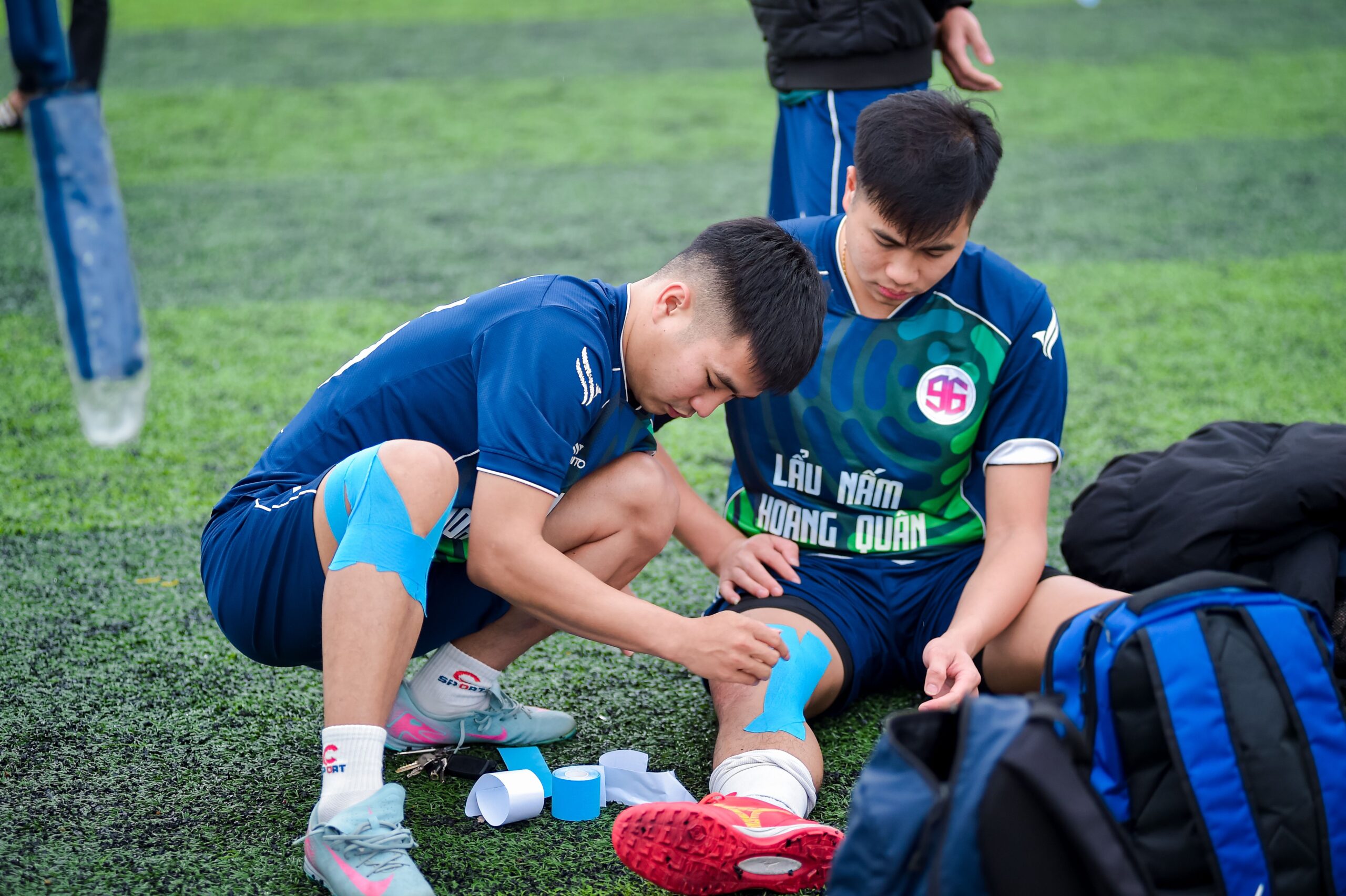
Preventing sports pain starts with preparing your body before every activity, using proper movement techniques, building strength gradually, staying flexible, allowing enough recovery time, and listening to early signs of discomfort. Consistent injury prevention habits reduce stress on muscles and joints, improve performance, and help you stay active without unnecessary pain or long recovery periods.
What Is Sports Pain Prevention?
Sports pain prevention is the process of reducing the risk of injuries before they happen. Instead of waiting until pain develops, preventive strategies focus on keeping muscles, joints, tendons, ligaments, and bones healthy through proper preparation, balanced training, and recovery.
Sports pain can affect nearly every part of the body. Many people experience shoulder pain from repetitive overhead movements, knee pain from running or jumping, ankle injuries from sudden changes in direction, or lower back pain caused by poor posture and weak core muscles. While these problems may seem unavoidable, many can be prevented through consistent healthy habits.
Prevention involves more than stretching before exercise. It includes understanding your body’s limits, improving movement patterns, correcting muscle imbalances, maintaining flexibility, building strength, and giving your body enough time to recover after physical activity.
Taking preventive action allows your body to perform efficiently while reducing unnecessary stress that often leads to chronic pain or acute injuries.
Why Preventing Sports Pain Matters
Many athletes focus on improving speed, strength, or endurance but spend very little time preventing injuries. Unfortunately, even a minor injury can interrupt months of progress and affect overall performance.
Sports pain often starts as a small discomfort. At first, it may only appear after intense exercise. Over time, the discomfort becomes more frequent until simple daily activities begin causing pain. Ignoring these early warning signs increases the risk of more serious conditions that require longer recovery.
Preventing sports pain also protects long-term joint health. Repeated stress on joints without proper recovery may contribute to cartilage wear, tendon irritation, and chronic inflammation that become harder to treat later in life.
Beyond physical health, injury prevention supports mental well-being. Athletes who stay healthy maintain confidence, consistency, and motivation because they can continue participating in the sports they enjoy without constant interruptions.
How Sports Pain Develops
Sports pain rarely appears without warning. Most injuries develop gradually through repeated stress that exceeds the body’s ability to recover.
When muscles become fatigued, they lose their ability to stabilize joints effectively. Other muscles begin compensating, creating abnormal movement patterns. Over time, tendons become irritated, ligaments experience additional strain, and joints absorb forces they were not designed to handle repeatedly.
Poor posture also contributes to sports pain. For example, rounded shoulders may increase stress on the neck and upper back during weightlifting or swimming. Weak hip muscles can change knee alignment during running, increasing pressure on the kneecap and surrounding tissues.
Overtraining is another major contributor. Exercising intensely without sufficient recovery prevents damaged muscle fibers from repairing properly. Instead of becoming stronger, tissues gradually weaken and become more vulnerable to injury.
Inadequate flexibility can also limit normal movement. Tight muscles reduce joint mobility, forcing nearby joints to compensate. This compensation often creates pain in areas that were not originally the source of the problem.
Understanding how these small problems build over time helps athletes recognize why prevention is much easier than treatment after an injury occurs.
The Most Common Causes of Sports Pain
Sports pain can result from many different factors, and several often occur together instead of independently.
Poor warm-up routines are one of the leading causes. Beginning intense exercise with cold muscles reduces flexibility and increases the chance of muscle strains and ligament injuries.
Muscle imbalances also create uneven forces across joints. Strong muscles on one side of the body combined with weaker stabilizing muscles often alter movement mechanics, leading to repetitive stress injuries.
Incorrect exercise technique places unnecessary pressure on specific joints and tissues. Even small form errors repeated hundreds of times during training can eventually create significant pain.
Training too much, too quickly is another common cause. Increasing running distance, lifting heavier weights, or adding extra training sessions without allowing the body to adapt significantly increases injury risk.
Poor footwear can affect the alignment of the feet, ankles, knees, hips, and lower back. Shoes that no longer provide adequate support may contribute to discomfort during walking, running, or sports participation.
Dehydration and poor nutrition also play important roles. Muscles require proper hydration and nutrients to function efficiently and recover after exercise. Without adequate fuel, fatigue develops faster, increasing injury risk.
Lack of quality sleep reduces the body’s natural repair processes. During sleep, muscles recover, inflammation decreases, and tissues rebuild after physical activity. Consistently poor sleep limits these recovery processes and increases the likelihood of developing sports-related pain.
Early Warning Signs You Should Never Ignore
Many athletes mistakenly believe pain is simply part of training. While temporary muscle soreness after exercise is normal, persistent pain should never be ignored.
Pain that continues during normal daily activities often indicates that tissues have not recovered properly. Swelling around a joint may signal inflammation caused by excessive stress or minor injury.
Reduced range of motion is another important warning sign. If a shoulder, knee, or ankle suddenly feels stiff or difficult to move, underlying irritation may already be developing.
Persistent muscle tightness that does not improve with stretching or rest may also indicate deeper issues involving tendons or surrounding connective tissues.
Weakness during movements that were previously comfortable should receive attention as well. Sudden decreases in strength may reflect muscle fatigue, nerve irritation, or compensatory movement patterns that require correction.
Recognizing these warning signs early allows athletes to make small adjustments before minor discomfort develops into a more serious injury that limits training for weeks or months.
Building a Strong Foundation for Injury Prevention
Preventing sports pain begins long before stepping onto a field, court, gym floor, or running trail. A healthy body performs best when every system works together efficiently.
Strong muscles provide stability for joints during movement. Flexible tissues allow smooth motion without excessive strain. Good balance helps control body position during rapid direction changes. Proper posture distributes forces evenly throughout the body instead of concentrating stress on one area.
Building this strong physical foundation requires consistency rather than intensity. Small daily habits, such as maintaining mobility, improving balance, strengthening stabilizing muscles, and prioritizing recovery, often provide greater long-term protection than occasional intense workouts.
Athletes who invest in these preventive habits typically experience fewer injuries, recover more quickly after training sessions, and maintain better performance throughout their sporting activities.