
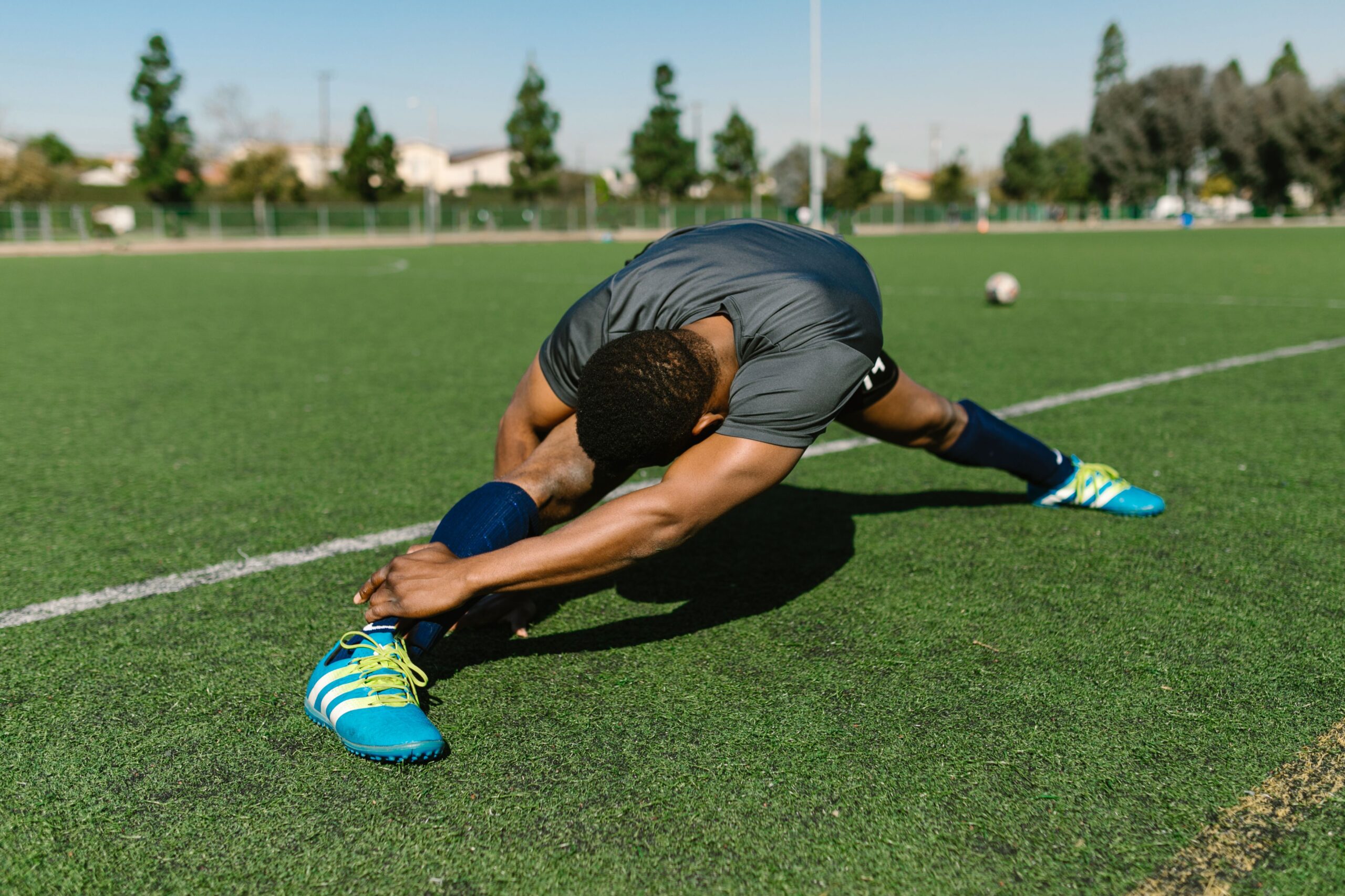
Proper spine care helps athletes move better, recover faster, reduce injury risk, and improve overall performance. A healthy spine supports balance, flexibility, strength, and coordination while protecting the nervous system that controls every movement. Whether you are a professional competitor or a weekend athlete, maintaining spinal health is essential for long-term physical performance and injury prevention.
Why Athletes Need Proper Spine Care
Athletes constantly push their bodies to perform at the highest level. Every sprint, jump, throw, lift, twist, and change of direction places stress on muscles, joints, ligaments, and the spine. While many athletes focus on building strength, endurance, and speed, spine care is often overlooked despite being one of the most important parts of overall athletic health.
The spine serves as the body’s central support system. It provides stability while allowing movement, protects the spinal cord, and helps the nervous system communicate with every muscle and organ. When spinal function is compromised, athletic performance can suffer in ways that are not always immediately obvious. Poor posture, limited mobility, recurring pain, muscle imbalances, and slower recovery can all be linked to spinal problems.
Whether participating in football, basketball, soccer, tennis, golf, swimming, cycling, weightlifting, or recreational fitness, proper spine care supports better movement, greater resilience, and a longer athletic career.
Understanding the Role of the Spine in Athletic Performance
The human spine is made up of thirty-three vertebrae connected by discs, muscles, ligaments, and joints. Together they create a flexible yet stable structure that supports the body’s weight while allowing movement in multiple directions.
The spine also protects the spinal cord, which acts as the primary communication pathway between the brain and the rest of the body. Every athletic movement depends on signals traveling quickly and accurately through the nervous system.
When an athlete bends, rotates, accelerates, or lands after a jump, the spine coordinates these movements while absorbing tremendous forces. Even slight restrictions in spinal mobility can affect balance, reaction time, coordination, and strength output.
Maintaining spinal health helps athletes perform these complex movements efficiently while reducing unnecessary strain on surrounding muscles and joints.
How Proper Spine Care Improves Athletic Performance
Athletic performance depends on the body’s ability to move efficiently. When the spine is properly aligned and functioning well, movement becomes smoother and more controlled.
Healthy spinal mechanics improve posture, allowing athletes to generate force more effectively. Better posture also supports breathing efficiency, which is essential during endurance activities.
Flexibility improves when spinal joints move freely. Increased mobility allows athletes to perform a greater range of motion during training while reducing compensation patterns that often lead to injury.
Balance and coordination also benefit from a healthy spine because the nervous system can process movement information more effectively. This allows athletes to react faster during competition and maintain better body control under pressure.
Proper spine care also contributes to more efficient muscle activation. When communication between the brain and muscles remains uninterrupted, athletes often experience better strength, improved power production, and enhanced movement precision.
The Connection Between Spine Health and Injury Prevention
Injury prevention is one of the biggest reasons athletes should prioritize spine care.
A spine that lacks mobility or stability forces other parts of the body to compensate. Over time, these compensations increase stress on the shoulders, hips, knees, ankles, and surrounding muscles.
For example, reduced movement in the lower back may place additional strain on the hips during running. Poor neck posture can contribute to shoulder dysfunction in swimmers or baseball players. Limited spinal rotation may increase stress on the knees during cutting movements in sports like soccer or basketball.
Maintaining spinal mobility helps distribute forces evenly throughout the body, reducing excessive pressure on individual joints.
Healthy spinal function also improves body awareness, allowing athletes to recognize movement errors before they become injuries.
Common Sports Injuries Linked to Poor Spine Health
Many sports injuries begin with underlying movement problems rather than a single traumatic event.
Lower back pain is among the most common complaints experienced by athletes. Repetitive lifting, twisting, sprinting, and jumping can overload the lumbar spine when movement patterns become inefficient.
Neck pain frequently develops in contact sports, cycling, and activities requiring prolonged forward posture.
Muscle strains often occur because certain muscles work harder to compensate for spinal stiffness or instability.
Hip pain, shoulder discomfort, knee problems, and recurring hamstring injuries may also be influenced by poor spinal mechanics that alter movement throughout the body.
Addressing spinal health early may reduce the frequency and severity of these recurring issues.
Why Recovery Depends on a Healthy Spine
Training creates physical stress that must be balanced with adequate recovery.
During recovery, muscles repair damaged fibers, joints regain mobility, and the nervous system restores normal function. A healthy spine supports each of these processes by allowing efficient movement and reducing unnecessary tension throughout the body.
Athletes who ignore spinal stiffness may find that soreness lasts longer, flexibility decreases, and performance gradually declines despite consistent training.
Proper recovery strategies often include mobility exercises, stretching, quality sleep, hydration, strength training, and spinal health maintenance.
The goal is not only to recover from today’s workout but also to prepare the body for tomorrow’s performance.
The Importance of Good Posture in Sports
Posture affects much more than appearance.
Good posture allows muscles to work efficiently while reducing unnecessary strain on joints and connective tissues.
Athletes with proper posture often demonstrate better running mechanics, stronger lifting technique, improved throwing accuracy, and greater balance.
Poor posture, on the other hand, changes how forces travel through the body. Rounded shoulders, forward head posture, and excessive spinal curvature can increase muscle fatigue while limiting athletic efficiency.
Developing postural awareness during both training and daily life helps protect the spine over time.
Practical Ways Athletes Can Protect Their Spine
Spine care should become part of every athlete’s regular routine rather than something addressed only after pain develops.
Proper warm-ups prepare muscles and joints for activity while increasing circulation.
Core strengthening exercises help stabilize the spine during dynamic movement without creating excessive stiffness.
Flexibility training improves spinal mobility while reducing muscle tightness that can alter movement patterns.
Recovery days allow tissues to repair while preventing chronic overload.
Proper lifting technique during strength training minimizes unnecessary spinal stress and reinforces healthy movement habits.
Adequate sleep also plays a major role because much of the body’s physical recovery occurs during deep sleep.
Small daily habits often produce the greatest long-term benefits.
Spine Care Across Different Sports
Every sport places unique demands on the spine.
Runners experience repetitive impact forces that travel through the lower back and pelvis with every stride.
Golfers generate tremendous rotational forces during the swing, making spinal mobility essential.
Weightlifters depend on spinal stability to safely transfer heavy loads through the body.
Swimmers repeatedly extend and rotate the spine while maintaining streamlined body positions.
Cyclists often spend long periods in a forward-leaning posture that can contribute to neck and lower back discomfort.
Gymnasts perform extreme spinal movements requiring exceptional flexibility and muscular control.
Understanding the specific demands of each sport allows athletes to develop spine care routines tailored to their individual needs.
Common Mistakes Athletes Make With Spine Care
Many athletes only seek help after pain becomes severe enough to interrupt training. Waiting until symptoms appear often allows minor movement problems to become more difficult to correct.
Another common mistake is focusing only on strengthening muscles while neglecting flexibility and mobility. Strong muscles alone cannot compensate for stiff joints or poor movement mechanics.
Some athletes also ignore recovery because they believe more training always produces better results. Without adequate recovery, the spine and surrounding tissues remain under continuous stress.
Poor exercise technique is another frequent issue. Lifting excessive weight with improper form places unnecessary strain on the spine and increases injury risk.
Finally, many athletes underestimate the importance of posture during everyday activities such as sitting, driving, or working at a desk. Daily habits influence spinal health just as much as athletic training.
Common Myths About Spine Care for Athletes
Many people believe spine care is only necessary after suffering a serious injury. In reality, preventive care often provides the greatest long-term benefits by reducing injury risk before problems develop.
Another common myth is that back pain is simply a normal part of sports. While occasional soreness may occur after intense exercise, persistent pain should never be ignored.
Some athletes worry that resting will reduce performance. Appropriate recovery actually supports muscle growth, nervous system function, and long-term athletic development.
Others assume that stretching alone solves every mobility problem. Effective spine care combines flexibility, strength, stability, movement quality, recovery, and healthy daily habits.
Finally, many believe young athletes do not need to think about spinal health. Developing proper movement patterns early can help prevent chronic problems later in life.
Why Early Spine Care Creates Long-Term Athletic Success
Athletic careers are built through consistent training over many years rather than short periods of intense effort.
Protecting spinal health allows athletes to continue training without frequent interruptions caused by injury or chronic pain.
Consistent training leads to better skill development, greater confidence, and improved competitive performance.
Long-term spine care also supports healthy aging. Many former athletes experience chronic joint pain because small movement problems accumulated over decades.
Building healthy spinal habits today creates benefits that extend well beyond athletic competition.
Summary
Proper spine care is much more than treating back pain. It forms the foundation for strength, balance, flexibility, coordination, recovery, and injury prevention. Athletes who prioritize spinal health often experience better movement quality, improved performance, fewer injuries, and greater consistency throughout their training. Daily attention to posture, mobility, core strength, recovery, and proper technique helps keep the spine functioning efficiently while supporting every aspect of athletic performance.
Key Takeaways
Athletic performance depends on far more than strong muscles and cardiovascular fitness. The spine connects movement throughout the body while protecting the nervous system that controls every action. Maintaining spinal health improves mobility, posture, coordination, recovery, and overall efficiency during training and competition.
Preventive spine care is far more effective than waiting until pain develops. Consistent healthy habits, proper exercise technique, balanced training, and adequate recovery help athletes stay active, perform at their best, and reduce the likelihood of long-term injuries.
Frequently Asked Questions
Why is spine care important for athletes?
Spine care helps athletes maintain proper movement, reduce injury risk, improve flexibility, support nervous system function, and enhance overall athletic performance. A healthy spine allows the body to move more efficiently during both training and competition.
Can poor spinal health reduce sports performance?
Yes. Limited spinal mobility, poor posture, and spinal dysfunction can affect balance, coordination, strength, reaction time, and overall movement quality. These changes may reduce athletic performance even before pain develops.
What sports place the most stress on the spine?
Nearly every sport challenges the spine in different ways. Activities such as football, gymnastics, weightlifting, golf, wrestling, rowing, cycling, and running place particularly high demands on spinal mobility and stability.
How can athletes protect their spine during training?
Athletes can protect their spine by maintaining proper technique, strengthening the core, improving flexibility, warming up before exercise, recovering adequately after workouts, practicing good posture, and avoiding excessive training without rest.
Does a strong core help support spinal health?
Yes. Strong core muscles provide stability for the spine during movement. They help distribute forces more evenly, improve posture, and reduce unnecessary stress on the back during athletic activities.
Should young athletes pay attention to spine care?
Absolutely. Developing healthy movement habits during childhood and adolescence supports long-term athletic development while reducing the risk of future injuries and chronic spinal problems.
Conclusion
Athletes ask their bodies to perform extraordinary physical tasks every day. The spine serves as the foundation that supports every movement, every lift, every sprint, and every competition. Ignoring spinal health can gradually reduce performance, increase injury risk, and shorten athletic longevity. Prioritizing proper spine care through good posture, balanced training, mobility work, recovery, and healthy movement habits helps athletes stay stronger, move more efficiently, and compete with greater confidence. Whether you are beginning your fitness journey or striving to reach the next level of competition, investing in spinal health is an investment in your future performance and overall well-being. If you are experiencing persistent back pain, reduced mobility, or recurring sports injuries, seeking professional guidance early can help you stay active and continue pursuing your athletic goals safely.