
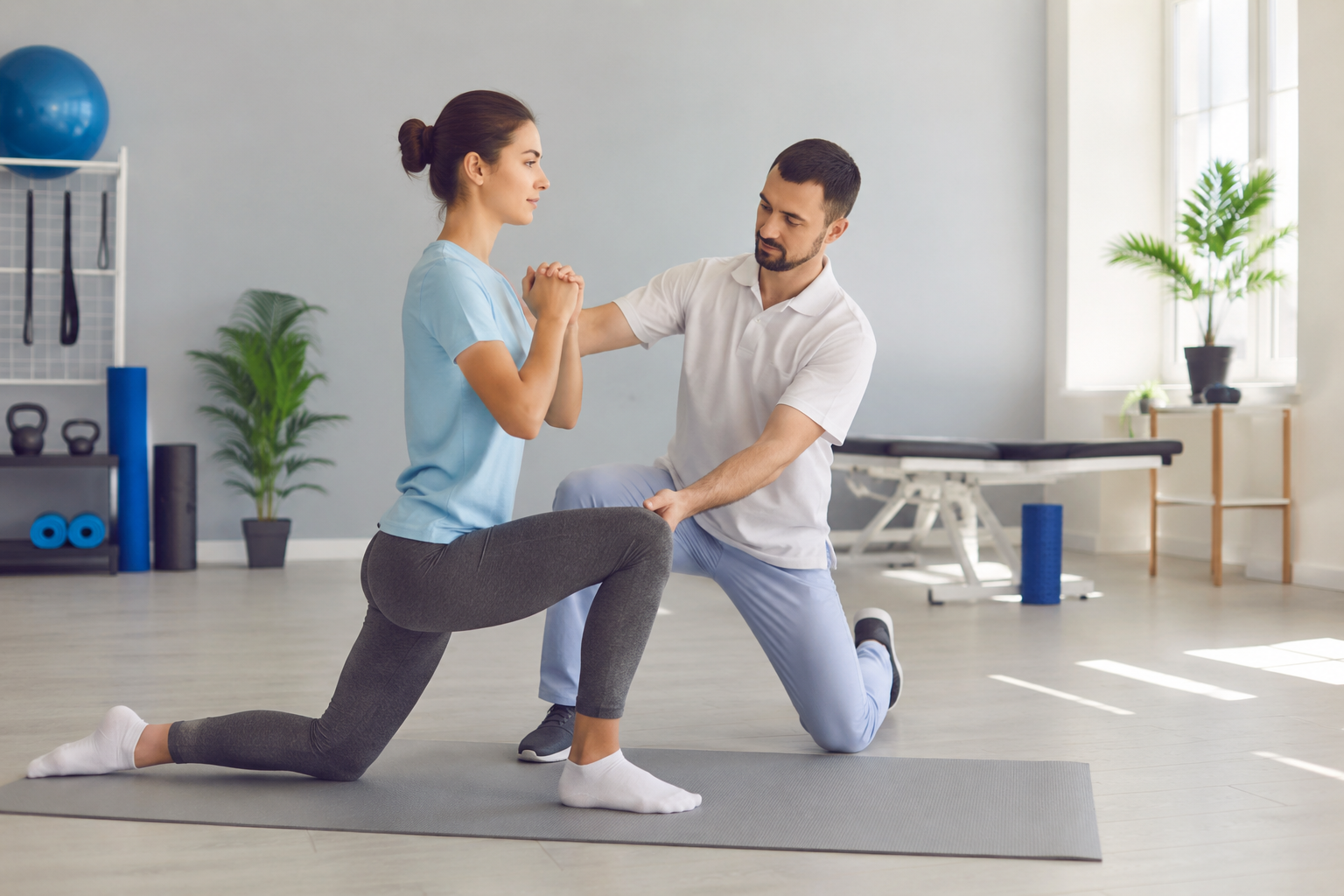
Rehabilitation helps prevent injuries by restoring strength, improving movement patterns, correcting muscle imbalances, and enhancing flexibility. A structured rehabilitation program addresses the root causes of physical problems rather than simply reducing pain. By improving how the body moves and functions, rehabilitation lowers the risk of future injuries and supports long-term physical health.
Introduction
Injuries can affect every aspect of daily life. Whether someone is an athlete, an active adult, or simply trying to stay healthy, an injury can create physical limitations, discomfort, and frustration. While many people focus on recovery after an injury occurs, prevention is often the key to maintaining long-term health and performance.
This is where rehabilitation plays an important role. Rehabilitation is commonly associated with recovering from injuries, surgeries, or chronic pain conditions. However, its benefits go far beyond treatment. A well-designed rehabilitation program helps individuals build stronger bodies, improve movement quality, and reduce the likelihood of future injuries.
Understanding how rehabilitation prevents injuries can help people make smarter decisions about their health, physical activity, and overall well-being. When the body moves efficiently and functions properly, it becomes more resilient against stress, strain, and unexpected physical demands.
What Is Rehabilitation?
Rehabilitation is a structured process designed to restore physical function, reduce pain, improve mobility, and enhance overall performance. It involves targeted exercises, movement training, flexibility work, strength development, and education about proper body mechanics.
The goal of rehabilitation is not simply to help someone feel better. It focuses on identifying the underlying causes of weakness, instability, poor movement patterns, and physical limitations that may contribute to injuries.
Rehabilitation programs are often customized based on individual needs, activity levels, medical history, and physical goals. This personalized approach allows people to address specific risk factors that could lead to future problems.
Understanding Why Injuries Happen
To understand how rehabilitation prevents injuries, it is important to first understand why injuries occur in the first place.
Many injuries develop because the body is not moving efficiently. Weak muscles, poor posture, joint instability, limited flexibility, muscle imbalances, and improper movement mechanics can all increase physical stress on the body.
Over time, these issues may lead to overuse injuries, strains, sprains, tendon problems, joint pain, and chronic discomfort. Even a small movement dysfunction can eventually create significant stress when repeated thousands of times during work, sports, or daily activities.
Rehabilitation identifies these underlying weaknesses before they become serious injuries.
How Rehabilitation Improves Movement Quality
One of the most effective ways rehabilitation prevents injuries is by improving movement quality.
The human body is designed to move in specific ways. When joints, muscles, and connective tissues work together properly, movement becomes efficient and safe. However, when certain muscles become weak or tight, compensation patterns develop.
These compensations may not cause immediate pain, but they often place extra stress on surrounding tissues. Over time, the risk of injury increases.
Rehabilitation helps retrain proper movement patterns. Through guided exercises and corrective strategies, individuals learn how to move more efficiently during daily activities, exercise, and sports participation.
Better movement quality means less unnecessary strain on muscles, ligaments, tendons, and joints.
Strength Development as Injury Prevention
Muscle weakness is one of the most common contributors to injury risk.
When muscles lack sufficient strength, they cannot adequately support joints or absorb physical forces. This creates greater stress on ligaments, tendons, and other structures.
Rehabilitation programs often include progressive strength training designed to improve stability and resilience throughout the body.
Strong muscles act as protective systems that help control movement and reduce excessive strain. Improved strength also enhances balance, coordination, and overall physical performance.
For example, stronger hip muscles can reduce stress on the knees. Improved core strength can support the spine and decrease the likelihood of back injuries. Better shoulder stability can help protect against common upper-body injuries.
By building strength strategically, rehabilitation creates a stronger foundation for safe movement.
The Role of Flexibility and Mobility
Limited flexibility and poor mobility can significantly increase injury risk.
When muscles become tight or joints lose their normal range of motion, the body often compensates through inefficient movement patterns. These compensations may increase stress on nearby structures and contribute to pain or injury.
Rehabilitation addresses mobility restrictions through stretching techniques, mobility exercises, and movement-based interventions.
Improved flexibility allows the body to move more freely and efficiently. Better mobility helps joints function properly during physical activity, reducing unnecessary stress and lowering injury risk.
Maintaining healthy mobility is especially important for individuals who spend long periods sitting, performing repetitive tasks, or participating in demanding physical activities.
Correcting Muscle Imbalances
The body functions as a connected system. When one area becomes weak or overactive, other areas often compensate.
Muscle imbalances occur when certain muscles become stronger, tighter, or more dominant than others. These imbalances can alter posture, movement mechanics, and joint function.
Rehabilitation identifies and addresses these imbalances before they lead to injury.
For example, weak glute muscles may increase stress on the knees. Tight chest muscles combined with weak upper back muscles may contribute to shoulder and neck problems. Poor core stability may place excessive strain on the lower back.
By restoring balance throughout the body, rehabilitation improves overall movement efficiency and reduces physical stress.
Improving Balance and Coordination
Balance and coordination are critical components of injury prevention.
Poor balance increases the likelihood of falls, awkward landings, and sudden movements that may lead to injury. Reduced coordination can also affect athletic performance and increase the risk of accidents.
Rehabilitation often includes exercises designed to improve body awareness, stability, and neuromuscular control.
These exercises train the nervous system and muscles to work together more effectively. As coordination improves, individuals gain better control over their movements and become more capable of responding to unexpected challenges.
Enhanced balance and coordination can be especially valuable for older adults, athletes, and individuals returning to activity after an injury.
Rehabilitation After an Injury Reduces Re-Injury Risk
One of the biggest misconceptions is that pain relief means full recovery.
In reality, many injuries leave behind lingering weaknesses, movement limitations, and stability deficits. Returning to normal activities too soon can significantly increase the risk of re-injury.
Rehabilitation helps restore full function before an individual resumes demanding activities.
Through progressive exercises and functional training, rehabilitation ensures that muscles, joints, and connective tissues regain their ability to tolerate physical stress.
This comprehensive recovery process reduces the likelihood of repeating the same injury in the future.
Why Rehabilitation Matters for Athletes
Athletes place significant demands on their bodies. Running, jumping, lifting, throwing, and rapid changes in direction all create stress on muscles and joints.
Even small weaknesses or movement inefficiencies can eventually lead to injuries that impact performance and training consistency.
Rehabilitation helps athletes identify and address potential risk factors before they become major problems.
By improving strength, mobility, stability, coordination, and movement efficiency, rehabilitation enhances performance while simultaneously reducing injury risk.
Athletes who consistently incorporate rehabilitation principles into their training often experience greater durability and longevity in their sport.
Rehabilitation Benefits for Everyday Life
Injury prevention is not only important for athletes.
Everyday activities such as walking, lifting groceries, climbing stairs, working at a desk, or caring for family members place demands on the body.
Poor posture, repetitive movements, prolonged sitting, and physical stress can gradually contribute to discomfort and injury.
Rehabilitation helps individuals maintain healthy movement patterns that support daily function. Improved strength, flexibility, and stability make routine activities easier and safer.
Many people discover that rehabilitation not only reduces injury risk but also improves energy levels, comfort, and overall quality of life.
Common Mistakes That Increase Injury Risk
One common mistake is focusing only on pain rather than addressing the root cause of the problem. Pain may disappear temporarily while underlying weaknesses remain unresolved.
Another mistake involves returning to physical activity too quickly after an injury. Without proper rehabilitation, tissues may not be fully prepared to handle physical demands.
Ignoring mobility limitations can also increase injury risk. Tight muscles and restricted joints often force the body into compensatory movement patterns.
Some individuals believe that strength alone prevents injuries. While strength is important, balance, flexibility, coordination, and movement quality are equally essential components of injury prevention.
Consistently overlooking these factors can increase the likelihood of recurring injuries and long-term physical problems.
Common Myths About Rehabilitation
Many people believe rehabilitation is only necessary after a serious injury. In reality, rehabilitation can be used proactively to identify and correct risk factors before injuries occur.
Another common myth is that rehabilitation is only for athletes. People of all ages and activity levels can benefit from improving movement quality, strength, and mobility.
Some assume that rehabilitation exercises are simply basic stretches. While stretching may be included, rehabilitation often involves comprehensive programs designed to improve strength, stability, coordination, and functional movement.
There is also a misconception that rehabilitation ends when pain disappears. Effective rehabilitation focuses on restoring complete function, not just symptom relief.
Understanding these facts helps individuals appreciate the broader role rehabilitation plays in long-term health and injury prevention.
Summary
Rehabilitation is far more than a recovery tool. It is a proactive approach to improving physical function and reducing injury risk. Through strength development, mobility training, movement correction, balance improvement, and muscle imbalance correction, rehabilitation helps the body perform more efficiently and safely.
By addressing the underlying causes of dysfunction, rehabilitation creates a stronger and more resilient foundation for daily activities, exercise, sports participation, and long-term physical health.
Key Takeaways
Rehabilitation helps prevent injuries by improving the way the body moves, functions, and responds to physical stress. It focuses on identifying weaknesses, correcting movement problems, and restoring proper physical performance before injuries develop.
Strength, flexibility, mobility, balance, coordination, and muscle balance all play important roles in injury prevention. Rehabilitation addresses each of these factors through targeted and personalized strategies.
Whether someone is recovering from an injury or simply looking to stay active and healthy, rehabilitation provides valuable tools for reducing future injury risk and maintaining long-term physical well-being.
Frequently Asked Questions
Can rehabilitation prevent future injuries?
Yes. Rehabilitation identifies physical weaknesses, movement limitations, and muscle imbalances that can increase injury risk. Correcting these issues helps reduce the likelihood of future injuries.
Is rehabilitation only for people who are injured?
No. Rehabilitation can be used proactively to improve strength, mobility, balance, and movement quality before injuries occur.
How does rehabilitation improve movement?
Rehabilitation teaches proper movement patterns and addresses compensations that place unnecessary stress on muscles and joints. This improves efficiency and reduces injury risk.
Does rehabilitation help athletes perform better?
Yes. Rehabilitation often improves strength, stability, flexibility, and coordination, which can enhance athletic performance while reducing the likelihood of injury.
How long does rehabilitation take?
The duration varies depending on individual needs, goals, and physical condition. Some people benefit from a few weeks of targeted exercises, while others require longer-term programs.
Can rehabilitation help with chronic pain?
In many cases, rehabilitation can help reduce chronic pain by addressing the underlying causes of dysfunction, weakness, and poor movement patterns.
Why is mobility important for injury prevention?
Good mobility allows joints and muscles to move through their intended ranges of motion. This reduces compensation patterns and decreases stress on surrounding tissues.
Conclusion
Rehabilitation is one of the most effective tools for injury prevention because it addresses the root causes of physical problems rather than simply treating symptoms. By improving strength, flexibility, balance, mobility, coordination, and movement quality, rehabilitation helps the body function at its best and withstand the demands of everyday life.
Whether you are recovering from a previous injury, participating in sports, or simply looking to stay active and healthy, investing in rehabilitation can help protect your body for years to come. Taking action today can lead to fewer injuries, better movement, and greater confidence in everything you do.